


What Is a Terry Stop?
A Terry stop, also called an investigative detention or stop and frisk, is a brief police stop to investigate possible criminal activity. Police may temporarily stop someone when they have reasonable suspicion that the person is involved in a crime. The term comes from the 1968 U.S. Supreme Court case Terry v. Ohio. In that case, the Court ruled that police may conduct a brief stop without violating the Fourth Amendment, as long as they follow specific legal rules.
Police must have reasonable suspicion before making a Terry stop. This means they need specific facts that suggest criminal activity. A simple guess or personal feeling is not enough. Reasonable suspicion requires less evidence than probable cause, which police generally need to make an arrest. Officers must explain the facts that led them to suspect criminal activity.
A Terry stop has two separate parts: the stop and the frisk. These actions have different legal requirements. Police may stop someone based on reasonable suspicion of criminal activity. However, they need additional reasons to believe that person is armed and dangerous before conducting a frisk. During this limited pat-down, officers may check the person’s outer clothing for weapons. They cannot use a frisk as a general search for evidence or drugs.
The purpose of a Terry stop is to investigate the suspected crime. Officers may ask questions and check the facts that support their suspicion. If they develop probable cause, they may make an arrest. Otherwise, they must release the person. Police cannot turn a brief stop into a full arrest without the required legal grounds.
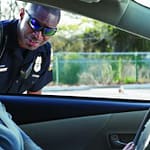
Terry stops also apply to drivers and passengers. For example, police may pull over a vehicle when they have reasonable suspicion of a traffic violation or other criminal activity. Both uniformed and plainclothes officers may conduct these stops when they have the proper legal authority.
When Is a Terry Stop Legal?
A Terry stop must meet specific legal requirements. Police need reasonable suspicion to stop someone. They also need separate grounds to conduct a frisk. Courts review these two actions independently. A lawful stop does not automatically make every search legal.
Reasonable Suspicion of Criminal Activity to Stop Someone
Reasonable suspicion is the legal standard officers must meet before making a Terry stop. The U.S. Supreme Court explains that this standard requires more than an unsupported hunch but less than probable cause. Officers must identify specific facts and reasonable conclusions that suggest someone has committed, is committing, or may commit a crime.
Several factors may support reasonable suspicion. These include the time of day, a person’s behavior, credible witness reports, suspicious sounds or odors, and the person’s presence in a high-crime area. However, courts look at all the circumstances together. No single factor automatically justifies a stop.
For example, running away from police may support reasonable suspicion when combined with other facts. However, running alone does not always justify detention. Similarly, an anonymous tip generally needs independent police confirmation before it can support a lawful stop.
Police must also follow the Equal Protection Clause of the Fourteenth Amendment. In Floyd v. City of New York (2013), a federal court found that New York City’s stop-and-frisk practices violated constitutional protections because of racial discrimination. Race alone cannot provide reasonable suspicion for a Terry stop.
Reasonable Suspicion That Someone Is Armed and Dangerous to Frisk Them
A lawful stop does not automatically allow police to conduct a frisk. Officers must have separate reasons to believe the person is armed and dangerous. They must point to specific facts that support this concern.
General concerns about officer safety are not enough. For example, an officer investigating suspected check fraud cannot frisk someone without additional facts suggesting a weapon or physical threat.
The frisk must remain limited to finding weapons. Police cannot use this procedure to search for general evidence, drugs, or other illegal items. Officers must stay within the legal limits of a protective pat-down.
What Can Police Do During a Terry Stop?
Police have limited authority during a lawful Terry stop. They may briefly detain someone, ask questions, and request identification. These actions must relate to the reason for the stop. Officers should use the investigation to confirm or clear up their suspicion.
If the investigation produces probable cause, officers may make an arrest. Without probable cause or another valid reason to continue the detention, they must let the person go.
Conducting a Protective Pat-Down
When officers reasonably believe someone is armed and dangerous, they may conduct a pat-down of the outer clothing. This procedure is also called a frisk. Officers may check for guns, knives, and other objects that could cause physical harm.
However, they cannot use this limited search to look for general evidence or contraband. The purpose is to protect officers and others from possible weapons.
The Plain Touch Doctrine
The plain touch doctrine creates a limited exception during a lawful frisk. If an officer immediately recognizes an object as illegal contraband through touch, the officer may seize it when probable cause supports the seizure.
For example, an officer may seize an object that clearly feels like illegal contraband during a lawful pat-down. However, the officer cannot squeeze, move, or explore an object beyond the lawful frisk to identify it. The officer must recognize its illegal nature without conducting an additional search.
Protective Searches of Vehicles
Terry also allows certain protective searches of a vehicle’s passenger area. Officers must have specific facts that support a reasonable belief that the suspect is dangerous and may gain access to a weapon inside the vehicle.
This search does not give police permission to inspect the entire vehicle. They may only check areas where someone could reach a weapon.
Detaining Luggage and Using Drug-Sniffing Dogs
Police may briefly detain luggage when specific facts create reasonable suspicion that it contains illegal drugs. However, officers must keep the detention within reasonable limits.
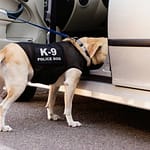
A trained drug-detection dog may also sniff luggage in certain circumstances. Under the Fourth Amendment, a dog sniff conducted during a lawful detention generally does not count as a full search. However, police cannot extend a detention without a separate legal reason just to wait for a dog.
How Long Can a Terry Stop Last?
A Terry stop must remain brief and reasonable. Courts examine whether officers worked quickly to investigate the suspected activity. They also consider whether unnecessary delays extended the stop.
There is no automatic 20-minute rule that makes every longer stop unlawful. Instead, courts review each case based on its facts. Delays caused by a person’s actions may affect the analysis. However, police cannot extend a stop without a valid reason related to the investigation or another lawful basis.
How Is a Terry Stop Different From an Arrest?
A Terry stop and a formal arrest both limit a person’s freedom. However, they differ in their legal requirements and the level of police control. A Terry stop requires reasonable suspicion. An arrest generally requires probable cause, which is a higher legal standard.
Difference in Legal Authority
During a Terry stop, officers may briefly detain someone to investigate possible criminal activity. They must keep the stop within reasonable limits. An arrest gives police greater control and allows them to take someone into custody.
Police need probable cause before making a lawful arrest. They cannot use a brief investigative stop as an excuse to hold someone in custody without sufficient evidence.
Difference in Police Custody
A Terry stop usually involves a temporary restriction on movement. Police generally cannot transport someone to a station or treat the person as fully under arrest without additional legal grounds.
An arrest places the individual in police custody. Officers may transport the person for booking, fingerprinting, and other required procedures.
Miranda Warnings During a Terry Stop
Miranda warnings explain a person’s right to remain silent and right to an attorney during custodial questioning. Police do not normally need to give these warnings during an ordinary Terry stop because temporary detention does not automatically count as Miranda custody.
However, police must provide Miranda warnings before conducting custodial interrogation. This requirement applies when officers place someone under formal arrest or impose a similar level of restraint.
How a Terry Stop Can Become an Arrest
A Terry stop may turn into an arrest when officers develop probable cause during the investigation. At that point, police gain the legal authority to make a formal arrest.
Courts also examine how officers restrict a person’s freedom. Excessive restraints, unnecessary transportation, or prolonged detention may show that police have gone beyond a brief investigative stop.
What Rights Do You Have During a Terry Stop?
The Constitution protects people during Terry stops. Although police may briefly detain someone, they must respect the person’s legal rights. Understanding these protections can help you respond during a police encounter.
Remaining Silent and State Rules on Giving Your Name
The Fifth Amendment protects your right against self-incrimination. You generally do not have to answer questions about your activities, whereabouts, or possible involvement in a crime. Refusing to answer questions does not, by itself, establish reasonable suspicion or probable cause.
However, identification rules depend on state law. California does not have a general stop-and-identify law that requires pedestrians to provide their names simply because police detain them. Drivers have separate duties under California traffic laws, including the requirement to present a valid driver’s license when legally required.
You can clearly state that you wish to remain silent. You should also avoid physically resisting officers, even if you believe the stop is unlawful.
Refusing Consent to Searches Beyond a Lawful Frisk
You have the right to refuse consent to a search that goes beyond a lawful weapons frisk. For example, an officer may ask to search your bag, vehicle, or pockets. You can clearly respond, “I do not consent to a search.”
Refusing consent does not always prevent police from searching. Officers may still proceed when they have a warrant or another valid legal basis. However, clearly stating your objection may help preserve your ability to challenge the search later.
Asking Whether You Are Free to Leave
You may ask an officer, “Am I free to leave?” This question can help you understand whether the encounter is voluntary or whether police are detaining you.
If the officer confirms that you are free to leave, you may calmly walk away. During a vehicle stop, passengers may also ask whether they are free to leave. However, drivers must still follow lawful traffic-related instructions.
What Happens If a Terry Stop or Frisk Is Unlawful?
Police must follow the Fourth Amendment during investigative stops and protective searches. When officers violate these rules, a defendant may challenge the evidence they obtain. Courts may exclude evidence that resulted from an unconstitutional stop or frisk.
The Exclusionary Rule and Motions to Suppress Evidence
The exclusionary rule generally prevents prosecutors from using evidence that police obtained through an unconstitutional search or seizure. A criminal defense attorney may challenge that evidence through a pretrial motion to suppress.
A judge reviews the facts and decides whether police violated the person’s constitutional rights. If the judge grants the motion, prosecutors generally cannot use the excluded evidence at trial, subject to applicable exceptions.
Utah v. Strieff: An Exception to the Exclusionary Rule
In Utah v. Strieff (2016), the U.S. Supreme Court considered whether police could use evidence they found after an unlawful stop. The Court allowed the evidence because officers discovered a valid, pre-existing arrest warrant during the encounter.
The Court considered several factors from Brown v. Illinois when reviewing the connection between the unlawful stop and the evidence. These included the time between the stop and search, any intervening events, and the purpose and seriousness of the officer’s misconduct.
Rodriguez v. United States: Unlawful Delays During Traffic Stops
In Rodriguez v. United States (2015), the Supreme Court ruled that police cannot extend a traffic stop beyond the time needed to handle its original purpose without reasonable suspicion of another crime.
For example, officers generally cannot delay a traffic stop just to conduct a drug investigation when they have no separate legal basis. Evidence obtained after an unlawful extension may face suppression.
Exceptions That May Allow Evidence in Court
Not every constitutional violation leads to the exclusion of evidence. Courts may apply exceptions such as the good faith exception or the inevitable discovery doctrine. These rules depend on the facts of each case.
A criminal defense attorney can review the police report, available recordings, and other evidence to determine whether a legal challenge may succeed.
Need A Lawyer?
A Terry stop allows police to briefly detain someone based on reasonable suspicion. However, a frisk requires separate grounds to believe the person is armed and dangerous. Both actions must follow the Fourth Amendment and remain within legal limits.
If you believe police violated your rights during a stop, frisk, or search, do not overlook the importance of legal advice. A California criminal defense attorney can review the encounter, identify possible constitutional violations, and determine whether the court can suppress the evidence.
Contact our office today to discuss your situation with an experienced California criminal defense attorney. We can help you understand your rights, review your legal options, and build a defense based on the facts of your case.
RELATED ARTICLE:

Call 213-932-8922, for a free consultation.