


Understanding Motion Challenging Probable Cause in California
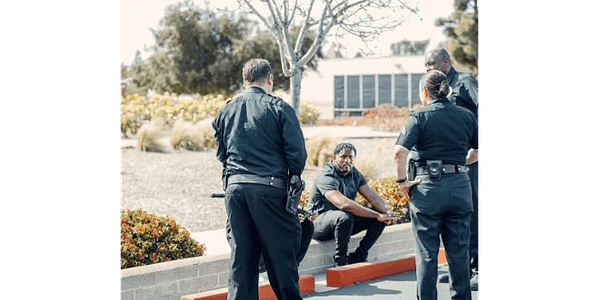
In the realm of criminal law, the concept of probable cause is pivotal. It serves as the foundation for law enforcement actions, particularly when it comes to searches, seizures, and arrests. In California, defendants have the right to challenge the validity of these actions through a motion to suppress evidence, specifically under California Penal Code Section 1538.5. This article delves into the intricacies of motions challenging probable cause, outlining their significance, the legal framework, and the procedural steps involved.
The Importance of Probable Cause
Probable cause is a legal standard that requires law enforcement to have sufficient reason to believe that a crime has been committed or that evidence of a crime can be found in a specific location. This standard is crucial in protecting individuals from unreasonable searches and seizures, as guaranteed by the Fourth Amendment of the U.S. Constitution and Article I, Section 13 of the California Constitution.
Defining Probable Cause
Probable cause exists when the facts and circumstances within a law enforcement officer’s knowledge are sufficient to warrant a reasonable belief that a suspect has committed a crime. This belief must be based on factual evidence rather than mere suspicion or hunches. For instance, if an officer observes a suspect engaging in suspicious behavior, such as attempting to flee from a crime scene, this may establish probable cause for an arrest.
The Role of Probable Cause in Law Enforcement
Law enforcement officers must establish probable cause before conducting searches or making arrests. If they fail to do so, any evidence obtained as a result may be deemed inadmissible in court. This principle underscores the importance of adhering to constitutional protections, ensuring that individuals are not subjected to arbitrary actions by the state.
Motion to Suppress Evidence
A motion to suppress evidence is a legal request made by a defendant to exclude certain evidence from being presented at trial. Under California Penal Code Section 1538.5, defendants can challenge the legality of searches, seizures, and arrests based on the absence of probable cause.
Grounds for Filing a Motion to Suppress
Defendants may file a motion to suppress evidence on several grounds, including:
- Lack of Probable Cause: If law enforcement did not have sufficient evidence to justify an arrest or search, any evidence obtained may be suppressed.
- Unlawful Search or Seizure: Evidence obtained through illegal searches, such as those conducted without a warrant or probable cause, can be challenged.
- Violation of Constitutional Rights: If a defendant’s rights were violated during the arrest or search, this can serve as a basis for suppression.
The Impact of a Successful Motion
If a motion to suppress is granted, the evidence in question cannot be used against the defendant in court. This can significantly weaken the prosecution’s case, potentially leading to a dismissal of charges or a more favorable plea agreement.
The Process of Filing a Motion to Suppress
Filing a motion to suppress evidence involves several key steps, each of which must be executed carefully to ensure the best chance of success.
Step 1: Consultation with Legal Counsel
The first step in the process is to consult with an experienced criminal defense attorney. A knowledgeable lawyer can assess the circumstances of the case, evaluate the legality of the search or seizure, and determine the viability of a motion to suppress.
Step 2: Gathering Evidence
Once the decision to file a motion is made, the defense attorney will gather relevant evidence, including police reports, witness statements, and any available video footage. This evidence will be crucial in building a compelling argument for suppression.
Step 3: Drafting the Motion
The defense attorney will draft the motion to suppress, outlining the legal arguments and factual basis for the request. This document must clearly articulate the reasons for challenging the evidence and cite relevant legal precedents.
Step 4: Filing the Motion
The motion must be filed with the appropriate court, typically before the trial begins. In California, motions to suppress can be filed at various stages, including during pretrial hearings or even during the trial if new evidence arises.
Step 5: Hearing on the Motion
After filing, a hearing will be scheduled where both the defense and prosecution can present their arguments. The judge will evaluate the evidence and determine whether the motion should be granted or denied.

Call 213-932-8922, for a free consultation.
Common Challenges in Motion to Suppress Cases
While motions to suppress can be powerful tools for defendants, they are not without challenges. Several common issues may arise during the process.
Insufficient Evidence
One of the primary challenges is demonstrating that the evidence obtained was indeed the result of an unlawful search or seizure. If the prosecution can establish that probable cause existed, the motion may be denied.
Judicial Discretion
Judges have considerable discretion in deciding motions to suppress. Their interpretations of probable cause and constitutional protections can vary, making outcomes unpredictable.
Procedural Errors
Defendants must adhere to strict procedural rules when filing motions. Any errors in filing or presenting the motion can result in dismissal, underscoring the importance of having skilled legal representation.
The Role of Legal Representation
Navigating the complexities of a motion to suppress requires a thorough understanding of both legal principles and courtroom procedures. Engaging an experienced criminal defense attorney is essential for several reasons.
Expertise in Legal Standards
A knowledgeable attorney will be well-versed in the nuances of California law, including the specific requirements for establishing probable cause and the grounds for suppression. This expertise is crucial in crafting a compelling argument.
Strategic Defense Planning
An attorney can develop a comprehensive defense strategy that considers all aspects of the case. This includes identifying potential weaknesses in the prosecution’s evidence and leveraging them in the motion to suppress.
Representation in Court
During the hearing on the motion, having a skilled attorney present can significantly impact the outcome. They can effectively argue on behalf of the defendant, cross-examine witnesses, and challenge the prosecution’s evidence.
Need An Attorney?
In California, the motion challenging probable cause is a vital tool for defendants seeking to protect their rights against unlawful searches and seizures. By understanding the legal framework surrounding probable cause and the process for filing a motion to suppress, individuals can better navigate the complexities of the criminal justice system. Engaging experienced legal representation is essential to ensure that defendants have the best chance of achieving a favorable outcome in their cases. If you or someone you know is facing criminal charges, it is crucial to consult with a knowledgeable attorney who can guide you through the legal process and advocate for your rights.
Need a Criminal Defense Attorney? CALL NOW: 213-932-8922
Yuliya Kelmansky is an Expert Criminal Defense Attorney who has over 10 years of practice defending a variety of criminal cases.