



Arrested in a Prostitution Sting Operation? Here's What to Do Next in California
A sting operation can turn a brief, confusing encounter into an arrest before you fully understand what police believe happened. Although the situation may feel overwhelming, an arrest is not a conviction, and your next decisions can matter greatly.
California allegations involving Solicitation or Loitering can carry serious personal, professional, and immigration concerns. Therefore, speaking with a Criminal Defense Attorney promptly is important. This guide explains your rights, what prosecutors must prove, possible defenses, and how to prepare for court without making the situation worse.
Understand Your Arrest and California Solicitation Laws
How undercover prostitution stings lead to arrests
Police often conduct a sting operation by having an undercover officer pose as a sex worker online, at a hotel, or in a public area. The officer may respond to a message, begin a conversation, or wait for someone to make contact. The interaction can then move toward sexual activity, compensation, a location, or a time to meet.
To begin with, an arrest can follow a short exchange. Officers may treat a discussion of money, drugs, services, or another item of value in connection with sexual conduct as evidence of a proposed commercial exchange. In some operations, police wait for an additional step, such as driving to a meeting point, getting into a vehicle, or arranging payment. Uniformed officers may then approach, detain, cite, or arrest the person involved.
The fact that the other person was an officer does not, by itself, prevent a charge. An undercover officer has no intent to engage in sexual activity, but police may focus on your words and conduct when deciding whether to make an arrest. A Criminal Defense Attorney can later examine the full interaction rather than relying only on an officer’s description of it.
What prosecutors must prove under Penal Code 647(b)
California Penal Code 647(b) covers several prostitution-related allegations, including soliciting another person, agreeing to engage in prostitution, and engaging in prostitution. For a solicitation charge, prosecutors must prove that you requested another person engage in prostitution and that you specifically intended to engage in that act. The other person must receive the communication when that issue is disputed.
Under this statute, prostitution means sexual intercourse or a lewd act in exchange for money or other compensation. A lewd act includes touching the genitals, buttocks, or female breast for sexual arousal or gratification. No sexual contact needs to occur for police to allege Solicitation.
Words matter, but the charge type also matters. If prosecutors claim you solicited, they must establish a request and your actual intent to follow through. A vague, joking, misunderstood, or purely hypothetical conversation may not establish that intent.
In contrast, an allegation that you agreed to engage in prostitution requires more than accepting an offer. Prosecutors must also show an overt act that advanced the agreement. Examples can include withdrawing cash, driving toward an agreed location, handing over payment, or taking another concrete step after the conversation. If the exchange never moved beyond words, that missing step may be significant.
Police paperwork may use broad labels, including Solicitation or Loitering. Read the cited code section and factual allegation closely. The exact charge determines what prosecutors must prove, and it directs the issues your lawyer should investigate.
Why an arrest does not mean a conviction
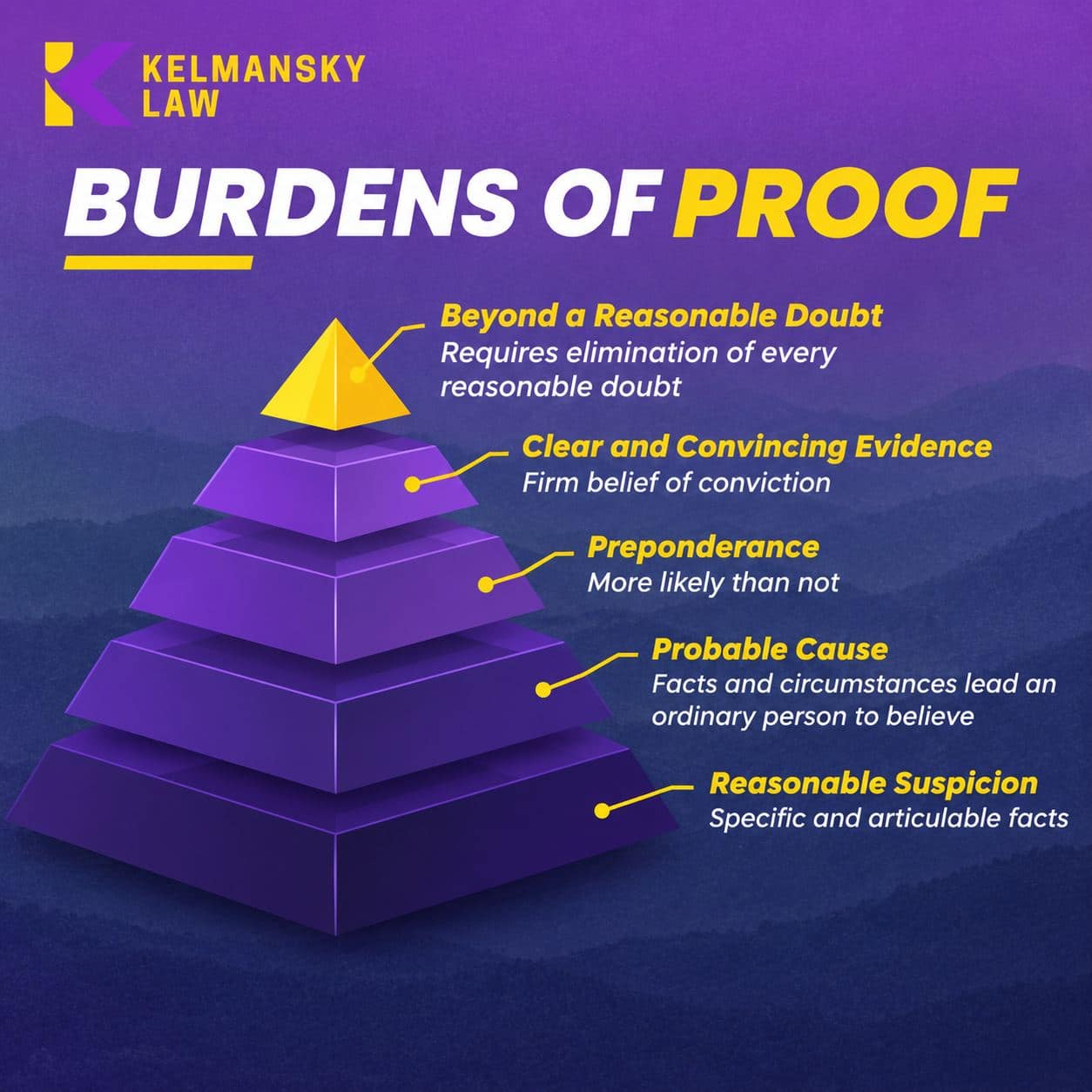
An arrest reflects an officer’s decision that there was probable cause at that moment. It does not establish that prosecutors can prove every required element beyond a reasonable doubt. The prosecutor must still review the case, decide whether to file charges, and support the allegation with admissible evidence.
Recordings, text messages, officer reports, dispatch records, and the sequence of the encounter can affect that decision. Therefore, a case may end without charges, with a dismissal, through diversion, after a not-guilty verdict, or through a negotiated resolution. A defense lawyer can assess whether the evidence shows a real request, specific intent, receipt of the communication, and, in an agreement case, an overt act.
In that case, California law may also allow a person to seek arrest-record sealing under Penal Code 851.91 when no charges were filed, charges were dismissed, diversion or deferred entry of judgment ended in dismissal, or a trial ended in acquittal.
Protect Your Rights During Police Contact
Once officers make contact, focus on preserving your position rather than explaining the conversation. The same approach applies whether police mention Solicitation, Loitering, or another allegation arising from a sting operation.
Stay calm and do not resist arrest
Keep your hands visible if directed, follow physical instructions, and speak in an even voice. Do not flee, pull away, argue at length, or refuse directions about where to stand or place your hands. California can treat resisting, delaying, or obstructing an officer as a separate misdemeanor under Penal Code 148(a)(1). That allegation can remain even when the underlying case does not proceed. You can later give a Criminal Defense Attorney the facts needed to assess officer conduct.
Clearly state that you choose to remain silent and want a lawyer
Answer routine booking questions about identifying information, such as your name, address, and date of birth, but do not discuss the alleged offense. Use clear words: “I am invoking my right to remain silent. I want a lawyer.” Then stop answering investigative questions. Silence alone can be treated as unclear, whereas an express request invokes these protections. Asking for counsel does not require you to explain why or to persuade officers that you are innocent.
If investigators contact you after release, repeat that you will not answer questions without counsel. Calls from jail may be monitored and recorded, so reserve case details for your lawyer. A call with your attorney receives attorney-client privilege protection. Police may characterize a discussion as an effort to clear up a Solicitation or Loitering report; either way, do not provide a narrative.
Do not consent to a search or interfere with officers
Refuse consent politely and directly: “I do not consent to a search.” Do not unlock a phone, provide a passcode, use a fingerprint or face scan to open it, or show officers selected messages. Do not delete material or touch the device to manage its contents. Officers may take physical possession of a phone while seeking a warrant, but possession does not itself authorize access to its data. A vehicle may also be searched under rules other than consent, including probable cause or a lawful inventory after impoundment. Your refusal preserves the issue; it does not authorize interference. Step back, keep your movements controlled, and tell your lawyer what officers searched or seized.
Read your release papers and note your court date
Before leaving, read every citation, property receipt, release agreement, and condition you receive. Signing a citation is a promise to appear, not an admission of guilt. Record the court name, address, department, date, time, charge code, release terms, and any limits on travel or contact. Put the date in more than one calendar and keep the papers where your lawyer can review them. If officers release you on a citation, appear in person on the written date. If you remain in custody, California generally requires an initial court appearance within 48 hours, excluding weekends and court holidays. A judge can later address release status, bail, and future dates. Read each condition again after arraignment because the court may set additional terms. Missing a hearing can result in a bench warrant, hence confirm every future date with counsel or the court clerk in writing when possible.
Get Legal Help and Preserve Evidence
After release, organize the case before memories and electronic records change. Prompt legal advice gives counsel time to examine the allegation, court papers, and material from the sting operation.
Find a California defense lawyer with solicitation case experience
A lawyer who regularly handles California Solicitation cases can review the exact words attributed to you, the timing of each contact, and the evidence police collected. Ask whether the lawyer has handled sting operation cases, reviewed undercover investigation records, and taken comparable cases to trial. Also ask how the lawyer will obtain discovery, assess the local court process, and communicate about hearings and case decisions.
A private lawyer and appointed counsel both represent defendants; the court addresses counsel selection at an initial appearance. Bring release papers, property receipts, citations, and every court notice to the first meeting. An attorney can compare those documents with your account and identify records that may need quick preservation.
Save messages, receipts, and a private timeline for your lawyer
Keep the full context of relevant electronic communications. Save complete message threads, emails, call logs, photographs, online posts, and any related receipts or payment records. Preserve original devices and account information as they are, rather than relying only on cropped screenshots. A screenshot can omit surrounding messages, while original data may contain timestamps and other details a lawyer can evaluate.
Do not alter or delete relevant material. Deletion may prevent recovery because results depend on the device, application, backups, provider retention, and the time passed. Preserve the complete exchange, including information that seems unfavorable, so your Criminal Defense Attorney can assess its context, authenticity, and collection.
Create a private timeline for your lawyer soon after the encounter. Write what occurred before, during, and after police contact, using dates, times, locations, names, exact words you remember, and the actions of officers and witnesses. Include when you received documents, what property officers took, and any later contact related to the case.
Keep the timeline factual and separate from online discussion or messages to friends, employers, or witnesses. Give your lawyer witness names and contact details, but allow counsel to decide whether and how to seek information. If nearby businesses, homes, or vehicles may hold video, tell counsel promptly so they can evaluate preservation steps. Correspondingly, keep copies in a secure location and bring passwords, device details, and any available backups to the consultation, allowing counsel to review the complete record.
Review Possible Defenses With Your Lawyer
Your lawyer can test the prosecution’s theory against the complete record from the sting operation, rather than accepting an arrest report’s summary. The charge may involve Solicitation, Loitering, or another allegation, and each theory requires its own evidence.
Lack of intent or a misunderstood conversation
Penal Code 647(b) cases often turn on the meaning of particular words. A Criminal Defense Attorney can examine whether the conversation actually showed a genuine intent to exchange a specific sexual act for money or something else of value.
For example, a payment discussion may have concerned companionship, transportation, a hotel room, or another lawful service. A message that appears incriminating when viewed alone can carry a different meaning when read with the preceding and later messages. Slang, translation problems, auto-correct, joking, curiosity, or a misunderstanding may also affect what the words establish.
Counsel can compare the full message history, recordings, timestamps, surveillance, and the officer’s report. Questions may include who introduced sexual conduct, who first raised compensation, whether you clearly accepted defined terms, and whether an alleged agreement remained ambiguous. The prosecution must prove each required element beyond a reasonable doubt; an officer’s interpretation does not replace proof.
Entrapment under California law: pressure versus an opportunity
Undercover work alone does not establish entrapment. Police may use a false identity, post an advertisement, or provide an opportunity for unlawful conduct. Accordingly, an officer who waits for a person to initiate contact or promptly agrees to a proposed exchange will usually be described as creating an opportunity.
Entrapment may arise when law enforcement goes further and uses conduct likely to cause a normally law-abiding person to commit the offense. Repeated requests after hesitation or refusal, emotional appeals, harassment, threats, intimidation, false assurances that conduct is legal, or unusually attractive rewards can support this defense.
California focuses on the officer’s conduct rather than your character or criminal history. Your lawyer may assess the wording, timing, persistence, and tone of every contact. Texts, calls, recorded conversations, and witness accounts can show whether an officer overcame resistance instead of merely presenting a choice. The defense bears the burden of proving entrapment by a preponderance of the evidence, meaning more likely true than not.
Missing recordings, unlawful searches, and other evidence issues
A defense review should identify what police recorded, what they did not preserve, and whether available material matches the report. Missing portions of an exchange, incomplete screenshots, poor audio, inaccurate transcripts, uncertain account ownership, or conflicts between surveillance and officer testimony can weaken the case.
Counsel can also evaluate how officers obtained evidence. A phone, hotel room, vehicle, or other private property may require a warrant unless a recognized exception applies. Consent, a lawful arrest, probable cause involving a vehicle, and emergency circumstances can affect that analysis. If a search or seizure violated constitutional standards, your lawyer may seek suppression under Penal Code 1538.5. Excluding key evidence can change the prosecution’s ability to proceed.
Prepare for Court and Understand Possible Outcomes
Your lawyer can use the preserved material from the sting operation as the case moves through court.
What happens at arraignment and later hearings
At arraignment, the judge states the charge, advises you of rights, appoints counsel if you qualify, and asks for a plea. Later hearings address evidence, motions, and possible resolution; attend whenever ordered.
When dismissal, reduced charges, or diversion may be available
Dismissal may follow evidentiary weaknesses; a reduced charge may result from negotiation. Diversion depends on program and a Solicitation or Loitering allegation. Mental-health diversion requires a qualifying diagnosis, a connection to the offense, treatment suitability, consent, and no unreasonable public-safety risk.
Possible fines, probation, and jail time
Penalties for a PC 647(b) conviction can include a fine up to $1,000, probation, and up to six months in county jail; repeat convictions carry minimum jail terms of 45 or 90 days.
Whether your specific charge can require sex offender registration
Standard Solicitation does not generally mandate sex-offender registration, but registration can depend on the conviction and a court order. Ask counsel to confirm consequences before any plea.
How to address record relief and work or immigration concerns
Record relief can limit disclosure, but automatic relief does not erase a state record. A plea with a penalty may still count as a conviction for immigration purposes even if a later state dismissal occurs. Discuss employment, licensing, and immigration goals before resolving the case with your Criminal Defense Attorney.
Get a Free Consultation
An arrest in a California prostitution sting operation is serious, but it does not decide your case or your future. Your strongest next steps are simple: remain silent about the allegations, follow every release condition, preserve the complete record, and speak with a qualified Criminal Defense Attorney quickly.
Evidence, intent, police conduct, and the exact charge can all affect whether prosecutors can prove Solicitation or another offense. Hence, avoid trying to explain the encounter alone or discussing it online. Careful preparation gives your lawyer the information needed to challenge the case and pursue the best available outcome. Stay calm, protect your rights, and address each court date promptly.
References
[1] – https://www.justia.com/criminal/docs/calcrim/1000/1154/
[2] – https://selfhelp.courts.ca.gov/clean-your-record/arrest-no-conviction
[3] – https://www.marincounty.gov/departments/public-defender/adults-charges-18/phases-criminal-case
Need an Attorney? CALL NOW: 213-932-8922
Yuliya Kelmansky is an Expert Attorney who has over 10 years of practice defending a variety of cases.