

Motion to Preserve Surveillance Video in California
In personal injury cases, particularly slip-and-fall cases, preserving surveillance video can be critical to establishing what happened and determining potential liability. This article explains how surveillance footage may be requested and preserved in California, why prompt action is important, and how video evidence may affect a personal injury claim.
Understanding the Importance of Surveillance Video
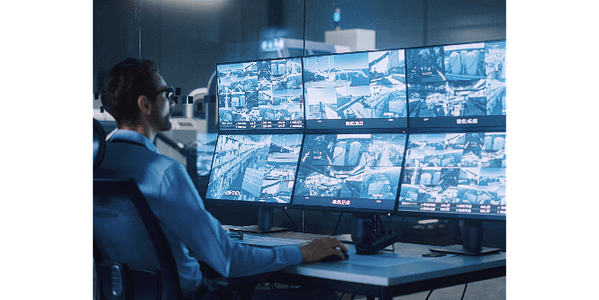
Surveillance footage can be important evidence in a personal injury case. It can provide a clear depiction of the events leading up to an accident, potentially establishing liability. When surveillance cameras capture an incident, obtaining the footage may provide evidence that helps establish the circumstances surrounding the injury.
The Role of Video Evidence
Video evidence can:
- Demonstrate Negligence: Footage may show unsafe conditions, such as wet floors or obstructed pathways, that contributed to the accident.
- Establish Timeline: It may help establish the timing of events, including whether a hazardous condition was present before the incident.
- Counteract Defenses: Video can refute claims made by the property owner or their insurance company, such as allegations of the injured party’s negligence.
Because surveillance footage may be overwritten or otherwise become unavailable, promptly identifying and preserving potentially relevant footage can be important in a slip-and-fall case.
Legal Framework for Requesting Surveillance Video
In California, the process of obtaining surveillance footage is governed by specific legal standards. Understanding these can help ensure that the evidence is preserved and admissible in court.
Identifying the Custodian of the Video
An initial step is to identify the person or entity that owns, operates, or controls the surveillance system and maintains the footage. This could include:
- Private Individuals: Home security cameras or personal devices.
- Businesses: Retail stores, restaurants, or parking lots.
- Government Entities: Traffic cameras or police body cameras.
Once the custodian is identified, a formal request can be made.
Sending a Preservation Letter
A preservation letter is a critical document that formally requests the custodian to retain any relevant video footage. This letter should include:
- The names and contact information of the parties involved.
- The date, time, and location of the incident.
- A description of the type of footage being sought.
- A clear request to preserve the footage, along with a warning against its destruction.
A preservation letter can notify the custodian that the footage may be relevant to anticipated litigation and request that potentially relevant footage be preserved.
The Urgency of Timely Action
Prompt action can be important when surveillance footage may be relevant to a claim. Some surveillance systems automatically overwrite older footage after a limited retention period, which can make prompt preservation efforts important.
Risks of Delay
If action is not taken promptly, the footage may be lost forever. Losing the footage may make it more difficult to establish the circumstances of the incident and may require the parties to rely on other available evidence, such as witness testimony.
Best Practices for Timely Action
To mitigate the risk of losing valuable evidence, individuals should:
- Act Quickly: As soon as an incident occurs, initiate the process of obtaining video footage.
- Consult an Attorney: A personal injury attorney can help identify potential sources of footage, send preservation requests, and pursue discovery or subpoena procedures when appropriate.
Challenges in Obtaining Surveillance Video
While the process of requesting surveillance footage may seem straightforward, several challenges can arise.
Refusal to Provide Footage
A person or entity possessing surveillance footage may decline to provide it voluntarily. This could be due to:
- Privacy Concerns: Legal restrictions may prevent the release of certain types of footage, especially if it captures private areas.
- Lack of Awareness: The custodian may not understand their obligation to preserve the footage.
Legal Recourse
If a custodian refuses to comply with a preservation request, legal action may be necessary. This could involve:
- Issuing a Subpoena: A legal order that compels the custodian to provide the footage.
- Filing a Motion: In some cases, it may be necessary to file a motion with the court to enforce the preservation of evidence.
The Impact of Surveillance Video on Personal Injury Claims
When successfully obtained, surveillance footage can significantly bolster a personal injury claim.
Strengthening the Case
Video evidence can:
- Support Claims of Negligence: Footage showing a hazardous condition may provide evidence relevant to whether the property owner or other responsible party acted negligently.
- Enhance Credibility: Footage that is consistent with the injured party’s account may corroborate their description of the incident and the circumstances surrounding the injury.
Potential Pitfalls
However, it is essential to recognize that video evidence can also be a double-edged sword. If the footage contradicts the injured party’s account, it could undermine their case.
Importance of Legal Guidance
Given the potential complexities involved, it is advisable to work with an experienced personal injury attorney who can help interpret the footage and navigate the legal landscape effectively.
Need An Attorney?
The preservation of surveillance video is a critical aspect of personal injury claims in California, particularly in slip and fall cases. Understanding how to identify, preserve, and obtain potentially relevant footage can help parties protect evidence that may be important to resolving the claim. By taking proactive steps and seeking legal guidance, individuals can enhance their chances of securing the evidence needed to support their claims and achieve a favorable resolution.
If you have been injured in a slip-and-fall incident, consulting a personal injury attorney may help you identify and preserve potentially relevant evidence. The right attorney can help you navigate the complexities of the legal system and ensure that your rights are protected.
References
[1] – https://leginfo.legislature.ca.gov/faces/codes_displaySection.xhtml?lawCode=CCP§ionNum=1985.8.
[2] – https://leginfo.legislature.ca.gov/faces/codes_displaySection.xhtml?lawCode=CCP§ionNum=2031.010.
[3] – https://leginfo.legislature.ca.gov/faces/codes_displaySection.xhtml?lawCode=CCP§ionNum=2031.030.
[4] – https://www.courts.ca.gov/documents/w08-01.pdf
[5] – https://www.id.uscourts.gov/Content_Fetcher/index.cfml?Content_ID=4015
Need a Criminal Defense Attorney? CALL NOW: 213-932-8922
Yuliya Kelmansky is an Expert Criminal Defense Attorney who has over 10 years of practice defending a variety of criminal cases.