

Motion to Obtain Cell Phone Data in California
Cell phones store extensive information about a person’s communications, location, activities, and online interactions, making mobile-device data increasingly relevant to legal disputes. This information can become important evidence in criminal and civil cases, including personal injury claims. In California, requests for cell phone data can raise important questions about privacy, evidence, and the legal procedures required to obtain and use that information. This article delves into the intricacies of cell phone data extraction, its implications in legal contexts, and the rights of individuals involved.
Understanding Cell Phone Data Extraction
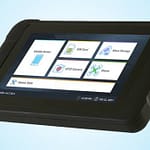
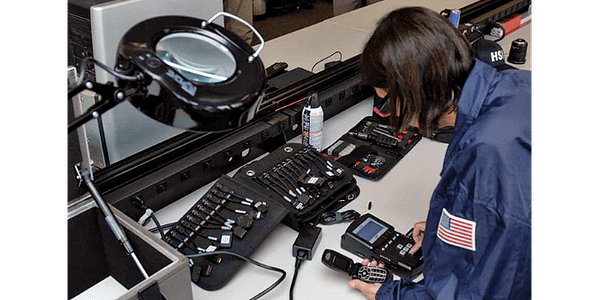
Mobile-device data extraction involves retrieving and preserving information stored on or accessible through a cell phone. This can include text messages, call logs, GPS location data, photos, and app usage. Law enforcement agencies often utilize mobile device forensic tools (MDFTs) to perform these extractions, which can provide a comprehensive view of an individual’s activities leading up to an incident.
Types of Data Retrieved
-
Text Messages and Call Logs: These records can reveal communication patterns and interactions with others, which may be crucial in establishing timelines or proving intent.
-
GPS Location Data: Smartphones equipped with GPS can provide precise location information, helping to establish whether an individual was present at a specific location during a relevant time frame.
-
Social Media Activity: Social media posts and messages may be examined when relevant to a case, including to corroborate or contradict statements or other evidence.
-
App Usage: Information about which apps were used and when can indicate distractions or behaviors that may be relevant to a case.
Legal Framework Surrounding Data Extraction
In California, access to cell phone information is governed by the Fourth Amendment, California privacy protections, and statutes addressing electronic device information. Depending on the circumstances, law enforcement may need a warrant or another legally recognized basis to access the data.
Warrant Requirements
When a warrant is required, law enforcement generally must establish probable cause and describe the information or evidence sought with sufficient particularity. This process involves:
- Submitting an affidavit: Officers must provide a sworn statement detailing the reasons for the warrant request.
- Judicial approval: A judge reviews the affidavit to determine if the request meets the legal standards for probable cause.
The Role of Cell Phone Data in Personal Injury Claims
In personal injury cases, cell phone data can be a double-edged sword. While it can support a claimant’s case, it can also be used against them. Understanding how this data can influence a claim is crucial for individuals involved in such cases.
Evidence of Distraction
If a claimant was using their phone at the time of an accident, this data can be used to argue that they were distracted. California law prohibits handheld device use while driving unless it is hands-free. Evidence of texting or app usage can significantly impact the degree of liability assigned in an accident.
Establishing Timelines
Cell phone records can help establish a timeline of events leading up to an incident. For example, if a claimant’s text messages indicate they were engaged in distracting activities just before an accident, this information can be detrimental to their case.
Social Media Scrutiny
Post-accident social media activity can also be examined. If a claimant posts about engaging in activities that contradict their claims of injury, this can undermine their credibility in court.
Legal Process for Accessing Cell Phone Data
Accessing cell phone data for legal purposes involves a structured process, ensuring that individuals’ rights are respected while allowing for the collection of pertinent evidence.
Discovery Process
During the discovery phase of a legal case, parties may request access to relevant evidence, including cell phone data. This process typically involves:
-
Filing a motion: A party may file a motion to compel the production of cell phone records if the opposing party is uncooperative.
-
Court approval: The court will review the motion and determine if the request is justified based on relevance and necessity.
-
Compliance with privacy laws: Any data obtained must comply with privacy regulations, ensuring that individuals’ rights are not violated.
Challenges to Data Extraction
While cell phone data can be invaluable, there are challenges associated with its extraction and use in court. These include:
- Privacy concerns: Individuals may argue that accessing their cell phone data constitutes an invasion of privacy.
- Data integrity: Questions may arise regarding the authenticity and accuracy of the extracted data, necessitating expert testimony to validate its reliability.
Defending Against Cell Phone Data Evidence
If cell phone data is presented as evidence in a legal case, several defenses can be employed to challenge its validity or relevance.
Alternative Explanations
Defendants can provide alternative explanations for the data retrieved. For instance, if a phone was used at the time of an incident, the defense might argue that someone else was using the device or that the activity was unrelated to the case.
Suppression of Evidence
If the data was obtained without a proper warrant or in violation of privacy rights, a motion to suppress the evidence can be filed. This legal maneuver seeks to exclude the data from being used in court.
Lack of Causation
Even if cell phone usage is proven, the defense can argue that it did not contribute to the incident in question. If the evidence does not establish a connection between the phone activity and the alleged conduct, the defense may argue that the data has limited relevance to the issues being litigated.
The Importance of Legal Representation
Navigating the complexities of cell phone data extraction and its implications in legal cases requires skilled legal representation. An experienced attorney can help individuals understand their rights, the potential impact of cell phone data on their case, and the best strategies for defending against its use.
Choosing the Right Attorney
When selecting an attorney for cases involving cell phone data, consider the following:
- Experience with digital evidence: Consider whether the attorney has experience handling cases involving electronic evidence, privacy issues, and electronically stored information.
- Understanding of privacy laws: An attorney should be well-versed in privacy regulations and how they apply to cell phone data extraction.
- Strong communication skills: Effective communication is essential for navigating the legal process and ensuring that clients are informed and empowered.
Conclusion
Requests for cell phone data can play an important role in California criminal and civil proceedings, particularly when the information may be relevant to disputed facts or legal claims. As cell phones continue to play a significant role in our lives, understanding the implications of their data in legal contexts is essential. Whether involved in a personal injury claim or facing criminal charges, individuals must be aware of their rights and the potential impact of cell phone data on their cases. An attorney familiar with electronic evidence and California privacy and discovery rules can help determine whether the information may be obtained, challenged, or excluded.
If you find yourself in a situation where cell phone data may be relevant to your case, do not hesitate to seek professional legal assistance. Understanding your rights and options is crucial in ensuring a fair outcome.
References
[1] – https://leginfo.legislature.ca.gov/faces/codes_displaySection.xhtml?lawCode=PEN§ionNum=1546.1
[2] – https://leginfo.legislature.ca.gov/faces/codes_displaySection.xhtml?lawCode=PEN§ionNum=1546.2
[3] – https://www.ce9.uscourts.gov/jury-instructions/civil/chapter-9/9-14-particular-rights-fourth-amendment-unreasonable-search-exception-to-warrant-requirement-search-incident-to-arrest/
[4] – https://commons.erau.edu/jdfsl/vol9/iss3/3/
[5] – https://forensicresources.org/wp-content/uploads/2023/06/Computer-Technical-Procedure-for-Mobile-Device-Extraction-12-16-2022.pdf
Need a Criminal Defense Attorney? CALL NOW: 213-932-8922
Yuliya Kelmansky is an Expert Criminal Defense Attorney who has over 10 years of practice defending a variety of criminal cases.