

Understanding the Motion for Crime Lab Records in California
In a California criminal case, access to relevant evidence can be essential to preparing an effective defense. A request for crime laboratory records can help the defense obtain forensic information relevant to the charges. This legal mechanism allows defendants to request access to forensic evidence that may be crucial for their defense. Understanding how to obtain and evaluate these records can help the defense assess the strength of the prosecution’s forensic evidence. This article explains the legal basis for obtaining crime laboratory records, the steps involved, and how those records may affect a defense strategy.
What is a Motion for Crime Lab Records?
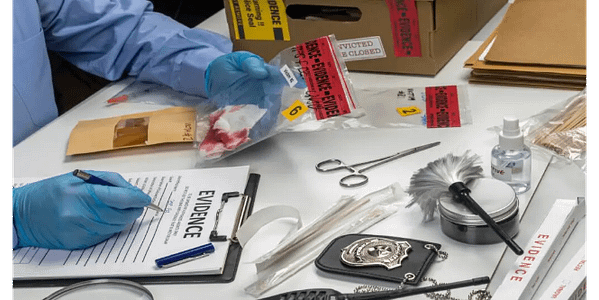
A request for crime laboratory records seeks access to forensic reports, test results, and other materials that may be relevant to a criminal case. This evidence can include DNA analysis, toxicology reports, and other scientific evaluations that may be relevant to the case. The purpose of the request is to obtain discoverable information that may help the defense evaluate, challenge, or respond to the prosecution’s evidence.
Importance of Crime Lab Records
Crime laboratory records can provide important information about how forensic evidence was analyzed and the results of those examinations. For example, in a drug-related case, laboratory testing may provide information relevant to the identity or composition of a substance and the prosecution’s allegations. Accessing these records allows the defense to challenge the prosecution’s evidence and build a stronger case.
Legal Basis for the Motion
In California, requests for crime laboratory records may arise under the state’s criminal discovery laws. California Penal Code 1054.1 requires the prosecution to disclose specified materials to the defense, including relevant real evidence, exculpatory evidence, and certain expert reports and results of scientific tests, experiments, or comparisons. This includes any forensic evidence obtained by law enforcement.
The Process of Filing a Motion
Filing a motion for crime lab records involves several steps. Understanding the applicable discovery procedures can help ensure that the request is properly presented and that relevant deadlines are observed.
Step 1: Identify the Evidence Needed
Before filing the motion, the defense must identify the specific crime lab records that are necessary for the case. This may require reviewing the discovery already provided and determining which forensic testing or laboratory materials require further examination.
Step 2: Drafting the Motion
The next step is to draft the motion itself. This document should clearly outline the request for specific records, the relevance of those records to the case, and the legal basis for the request. The request should be specific enough to identify the records sought and explain why they are relevant to the defense.
Step 3: Filing the Motion
Once the motion is drafted, it must be filed with the appropriate court. This typically involves submitting the motion to the clerk of the court and paying any required filing fees. It is essential to adhere to any deadlines set by the court to ensure that the motion is considered.
Step 4: Serving the Motion
When a formal motion is filed, the defense generally must provide notice and serve the prosecution in accordance with the applicable court rules. This ensures that all parties are aware of the request and can respond accordingly. Proper service is critical, as failure to do so may result in delays or dismissal of the motion.
Step 5: Hearing on the Motion
A hearing will be scheduled to discuss the motion. During this hearing, both the defense and prosecution will have the opportunity to present their arguments. The court will determine the appropriate response based on the applicable discovery rules and the circumstances of the request.
Challenges in Obtaining Crime Lab Records
Obtaining crime laboratory records can present procedural and legal challenges, particularly when the prosecution disputes the scope or disclosure of the requested materials.
Prosecutorial Resistance
Prosecutors may resist the release of certain records, arguing that they are privileged or irrelevant. The defense should be prepared to explain why the requested materials fall within the applicable discovery requirements and are relevant to the case.
Time Constraints
The timeline for filing motions and obtaining records can be tight, especially in cases with impending trial dates. The defense should address discovery issues as early as possible so that there is sufficient time to review the records and investigate any disputed forensic evidence.
Legal Complexities
Discovery disputes involving forensic evidence can involve detailed statutory and procedural requirements. Defendants may benefit from the assistance of experienced legal counsel to guide them through the process and ensure that their rights are protected.
The Role of Forensic Evidence in Defense Strategies
Forensic evidence plays a crucial role in shaping defense strategies. Reviewing crime laboratory records can help the defense evaluate the reliability, significance, and limitations of forensic evidence.
Building a Strong Defense
Access to crime lab records allows the defense to build a comprehensive case. By reviewing laboratory methods, test results, and related documentation, attorneys may identify inconsistencies, limitations, or other issues that affect the weight or reliability of the forensic evidence.
Impeaching Prosecution Witnesses
Forensic evidence can also be used to impeach the credibility of prosecution witnesses. If the defense can demonstrate that the evidence presented by the prosecution is flawed or unreliable, it can significantly weaken the prosecution’s case.
Negotiating Plea Deals
In some cases, access to crime lab records may lead to more favorable plea negotiations. If the defense can present compelling evidence that undermines the prosecution’s case, it may encourage the prosecution to offer a more lenient plea deal.
Need An Attorney?
Access to relevant crime laboratory records can be an important part of preparing a criminal defense in California. Understanding the applicable discovery rules and the role of forensic evidence can help defendants better understand how laboratory records may affect their cases. Access to discoverable crime laboratory records can help the defense evaluate and challenge the forensic evidence presented by the prosecution. For those facing criminal charges, seeking the guidance of an experienced attorney can make all the difference in achieving a favorable outcome.
If you are facing criminal charges involving forensic evidence, an attorney can help you evaluate the available discovery, identify relevant laboratory records, and determine whether additional court action is appropriate.
References
[1] – https://leginfo.legislature.ca.gov/faces/codes_displaySection.xhtml?lawCode=PEN§ionNum=1054.1.
[2] – https://leginfo.legislature.ca.gov/faces/codes_displayText.xhtml?chapter=10.&division=&lawCode=PEN&part=2.&title=6.
[3] – https://selfhelp.courts.ca.gov/criminal-court/overview/pretrial
[4] – https://nij.ojp.gov/topics/forensics/forensic-laboratory-operations
[5] – https://nij.ojp.gov/library/publications/role-and-impact-forensic-evidence-criminal-justice-process
[6] – https://innocenceproject.org/news/what-is-dna/
Need a Criminal Defense Attorney? CALL NOW: 213-932-8922
Yuliya Kelmansky is an Expert Criminal Defense Attorney who has over 10 years of practice defending a variety of criminal cases.