


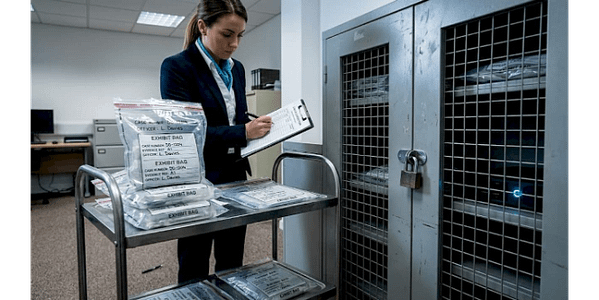
Motion for Chain of Custody Records in California
In the realm of legal proceedings, the concept of chain of custody plays a pivotal role, particularly when it comes to the handling of evidence. In California, understanding how to file a motion for chain of custody records is essential for individuals involved in legal cases, whether as defendants, plaintiffs, or legal representatives. This article aims to provide a comprehensive overview of the process, significance, and implications of chain of custody records in California.
What is Chain of Custody?
Chain of custody refers to the process of maintaining and documenting the handling of evidence from the moment it is collected until it is presented in court. This meticulous documentation ensures that the evidence remains untampered and credible. In legal contexts, the integrity of evidence is paramount; any break in the chain can lead to questions about its authenticity and admissibility.
Importance of Chain of Custody
- Preservation of Evidence: Proper chain of custody procedures help preserve the integrity of evidence, ensuring it can be reliably used in court.
- Legal Accountability: Documenting each person who handles the evidence creates accountability, which is crucial in legal proceedings.
- Admissibility in Court: Courts require a clear chain of custody to admit evidence. If the chain is broken, the evidence may be deemed inadmissible.
Legal Framework in California
In California, the rules governing chain of custody are outlined in various legal statutes and court rules. Understanding these regulations is crucial for anyone seeking to file a motion for chain of custody records.
Relevant Laws and Regulations
- California Evidence Code: This code provides guidelines on the admissibility of evidence and the requirements for maintaining a proper chain of custody.
- California Rules of Court: These rules outline the procedures for filing motions and accessing court records, including chain of custody documentation.

Filing a Motion for Chain of Custody Records
Filing a motion for chain of custody records involves several steps. It is essential to follow these procedures carefully to ensure that your request is processed efficiently.
Step-by-Step Process
-
Identify the Relevant Court: Determine which court has jurisdiction over your case. This is typically the court where the evidence was collected or where the case is being heard.
-
Draft the Motion: Prepare a formal motion requesting access to the chain of custody records. This document should include:
- Your name and contact information
- Case number
- A clear statement of the request
- The legal basis for your request
-
File the Motion: Submit the motion to the court clerk. Ensure that you comply with any local filing requirements, including fees and deadlines.
-
Serve the Motion: After filing, serve a copy of the motion to all parties involved in the case. This ensures that everyone is aware of your request.
-
Attend the Hearing: If a hearing is scheduled, be prepared to present your case. Bring any supporting documents and be ready to explain why the chain of custody records are necessary for your case.
What to Expect After Filing
Once you have filed your motion, there are several potential outcomes. Understanding these can help you prepare for the next steps.
Possible Outcomes
- Granted Motion: If the court grants your motion, you will receive access to the chain of custody records. This documentation can be crucial for your case.
- Denied Motion: If the court denies your request, you may need to explore other legal avenues or provide additional justification for your request.
- Hearing Scheduled: In some cases, the court may schedule a hearing to discuss the motion further. Be prepared to present your arguments clearly and concisely.
The Role of Legal Representation
Navigating the complexities of filing a motion for chain of custody records can be challenging. Having legal representation can significantly enhance your chances of success.
Benefits of Hiring an Attorney
- Expert Guidance: An attorney can provide valuable insights into the legal requirements and help you draft a compelling motion.
- Representation in Court: If a hearing is necessary, having an attorney represent you can ensure that your arguments are presented effectively.
- Understanding Legal Nuances: Attorneys are familiar with the intricacies of the law and can help you navigate potential pitfalls.
Common Challenges
While the process of filing a motion for chain of custody records is straightforward, several challenges may arise.
Potential Obstacles
- Complex Legal Language: Understanding legal jargon can be daunting for individuals without legal training.
- Strict Deadlines: Courts often impose strict deadlines for filing motions, which can be challenging to meet without proper planning.
- Opposition from Other Parties: Other parties involved in the case may oppose your motion, necessitating a strong legal argument.
Need An Attorney?
Filing a motion for chain of custody records in California is a critical step for individuals involved in legal proceedings. Understanding the importance of chain of custody, the legal framework, and the steps involved in filing a motion can empower you to navigate the legal system effectively. Whether you choose to represent yourself or seek legal counsel, being informed about the process will enhance your ability to secure the evidence necessary for your case.
If you find yourself in need of assistance with filing a motion for chain of custody records, consider reaching out to a qualified attorney who can guide you through the process and advocate for your rights. Remember, the integrity of evidence is paramount in legal proceedings, and ensuring a proper chain of custody is essential for achieving a fair outcome.
Need a Criminal Defense Attorney? CALL NOW: 213-932-8922
Yuliya Kelmansky is an Expert Criminal Defense Attorney who has over 10 years of practice defending a variety of criminal cases.