

Understanding Motion Regarding Photographs and Videos in California
In California, the right to capture images and record videos in public spaces is a fundamental aspect of First Amendment rights. This article explains the legal framework governing photography and videography in California public spaces, focusing on citizens’ rights, law enforcement limitations, and key court rulings.
The Right to Photograph in Public Spaces
Constitutional Foundations
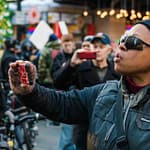
The First Amendment protects freedom of speech and the press, and courts have long recognized that this safeguard extends to photographing and recording in public spaces. This right is particularly significant in California, where citizens can document events, including police activities, without fear of harassment or intimidation.
Scope of the Right
You may lawfully photograph or record anything plainly visible from a public place where you have a legal right to be. This includes:
- Public Buildings: Federal buildings, state facilities, and local government offices.
- Transportation Facilities: Airports, bus stations, and train terminals.
- Law Enforcement Activities: Police officers performing their duties in public.
Limitations and Exceptions
Although the right to record is strong, important limitations apply. For instance, individuals cannot interfere with law enforcement operations. If an officer orders you to step back for legitimate safety reasons, it is generally wise to comply and challenge any overreach later. Additionally, recording private conversations without consent may violate California’s wiretapping laws, which require the consent of all parties involved.
Law Enforcement Interactions
Common Misconceptions
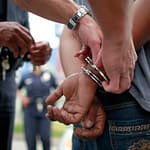
Despite clear legal protections, many individuals still encounter officers who incorrectly believe they can order them to stop recording in public. This misunderstanding often leads to confrontations, where individuals may be harassed, detained, or even arrested for exercising their rights.
Legal Protections Against Interference
California law explicitly protects individuals from unlawful interference by law enforcement when they are recording in public. Officers cannot demand to see or delete recordings without a warrant. This principle was reinforced in the landmark case Glik v. Cunniffe, where the court ruled that the right to record public officials in the performance of their duties is protected under the First Amendment.
What to Do If Stopped
If approached by law enforcement while recording, individuals should:
- Remain calm and polite.
- Clearly state their right to record.
- Avoid physical confrontation.
- Document the interaction if possible, including officer names and badge numbers.
Recent Legal Precedents
The Case of People v. Tran
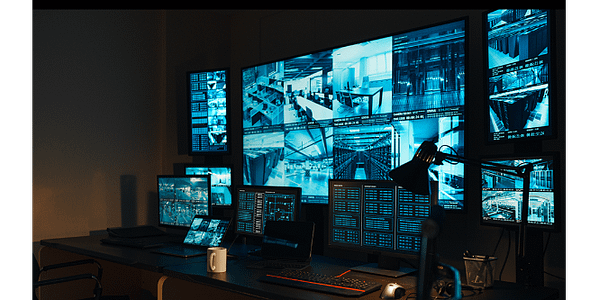
In People v. Tran, the California Court of Appeals addressed the admissibility of video-tracking evidence in a criminal case. The court ruled that video-tracking technology, which synchronizes multiple video sources to create a comprehensive timeline of events, is admissible in court. This case highlights the increasing importance of video evidence in legal proceedings, particularly in cases involving public altercations.
Implications for Civil Cases
The principles established in People v. Tran extend beyond criminal law. Video-tracking technology can be invaluable in civil cases, such as personal injury claims or disputes involving police misconduct. Legal professionals are encouraged to seek out video evidence from bystanders or surveillance cameras to strengthen their cases.
The Role of the ACLU
Advocacy for Rights
Organizations like the American Civil Liberties Union (ACLU) play a crucial role in advocating for the rights of individuals to record in public. They provide resources and guidance on what to do if rights are violated, emphasizing the importance of knowing one’s rights when it comes to photography and videography.
Know Your Rights Resources
The ACLU provides practical ‘Know Your Rights’ guides that clearly outline your protections when photographing or recording in public. These resources include:
- What to Do If Stopped: Steps to take if approached by law enforcement while recording.
- Understanding Limitations: Clarifications on what can and cannot be recorded.
- Reporting Violations: How to report instances of unlawful interference by police.
Practical Considerations for Photographers
Best Practices for Recording
For individuals looking to exercise their right to record, consider the following best practices:
- Stay Informed: Understand local laws and regulations regarding photography in public.
- Use Clear Communication: If approached by law enforcement, communicate your rights clearly and respectfully.
- Document Everything: Keep a record of interactions with law enforcement, including video evidence if possible.
Safety First
While exercising the right to record, personal safety should always be a priority. Avoid confrontations that could escalate and seek to record from a safe distance when possible.
Conclusion
The right to photograph and record in public spaces is a vital aspect of free expression in California. Understanding the legal protections available, the limitations imposed by law enforcement, and the implications of recent legal cases can empower individuals to exercise their rights confidently. By staying informed and prepared, Californians can confidently exercise their rights, safely document public events, and hold law enforcement accountable.
For further assistance or legal representation regarding issues related to photography and videography rights, consider reaching out to a knowledgeable attorney who specializes in civil rights law.
References
[1] – https://www.aclusocal.org/know-your-rights/photographers/
[2] – https://www.sanfranciscopolice.org/your-sfpd/policies/general-orders/5-07
[3] – https://www.eff.org/files/2026/02/02/2026.01_right_to_record_one_pager_-_final1.pdf
Need a Criminal Defense Attorney? CALL NOW: 213-932-8922
Yuliya Kelmansky is an Expert Criminal Defense Attorney who has over 10 years of practice defending a variety of criminal cases.