


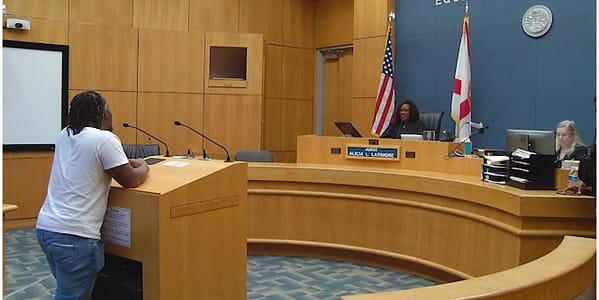
Veterans Treatment Court in California: Process and Benefits
Veterans Treatment Courts (VTCs) in California provide eligible veterans with a treatment-focused alternative to the traditional criminal justice process. Instead of emphasizing punishment, these courts focus on rehabilitation, treatment, and long-term support for eligible veterans. This guide explains how a motion for Veterans Treatment Court works, including eligibility, the referral process, and potential benefits.
The Purpose of Veterans Treatment Courts
Veterans Treatment Courts aim to address the underlying issues that contribute to criminal behavior among veterans. Many veterans return from service with mental health challenges such as PTSD, traumatic brain injuries, and substance abuse disorders. These conditions may contribute to conduct that results in criminal charges. The primary goal is to connect eligible veterans with treatment and support instead of incarceration whenever appropriate.
Key Objectives of VTCs
- Rehabilitation Over Punishment: VTCs prioritize treatment and rehabilitation, allowing veterans to address their mental health and substance abuse issues.
- Supportive Community: Participants engage with peers, mentors, and treatment providers, fostering a sense of community and support.
- Judicial Supervision: Regular interactions with judicial officers ensure accountability while guiding the rehabilitation process.
Eligibility Criteria for Veterans Treatment Courts
To qualify for participation in a VTC, veterans must meet specific criteria. Although eligibility requirements vary by county, the following general guidelines typically apply:
Basic Eligibility Requirements
- Military Service: The individual must have served in any branch of the military, including active duty, reserves, or National Guard.
- Mental Health Diagnosis: Veterans must have a qualifying mental health condition, such as PTSD, traumatic brain injury, or substance use disorder.
- Criminal Charges: The veteran must be facing criminal charges, typically for non-violent offenses.
- Willingness to Participate: The individual must agree to participate in a treatment program lasting between 12 and 18 months.
Additional Considerations
- Honorable Discharge: While an honorable discharge is preferred, exceptions may be made for veterans with service-related disabilities.
- Nature of Offense: Those charged with violent felonies may be considered on a case-by-case basis.
The Court Referral Process
Entry into the program typically begins with a court referral. A judge often initiates the referral during a court hearing. The process generally includes the following steps:
Steps in the Referral Process
- Initial Court Appearance: During the initial court appearance, the judge assesses the case and determines if the veteran may be eligible for VTC.
- Consultation with Legal Counsel: Veterans are encouraged to consult with their attorneys to discuss eligibility and the potential benefits of VTC.
- Formal Motion: If deemed eligible, a formal motion is filed to transfer the case to the Veterans Treatment Court.
- Assessment and Evaluation: Upon acceptance into the program, veterans undergo assessments to tailor a treatment plan that addresses their specific needs.
Treatment Programs Offered
Once accepted into a Veterans Treatment Court, participants begin an individualized treatment program tailored to their specific needs. The program typically includes:
Components of the Treatment Program
- Mental Health Counseling: Access to individual and group therapy sessions to address underlying mental health issues.
- Substance Abuse Treatment: Programs focused on recovery from addiction, including inpatient and outpatient options.
- Support Groups: Regular attendance at support groups where veterans can share experiences and strategies for coping.
- Educational and Vocational Training: Opportunities for job training and education to facilitate reintegration into civilian life.
Benefits of Participating in Veterans Treatment Courts
VTC offers several potential benefits for eligible veterans facing criminal charges. The program provides legal, medical, and community support to promote long-term recovery.
Key Benefits
- Avoiding Incarceration: Successful completion of the program can lead to reduced or dismissed charges, allowing veterans to avoid jail time.
- Sealing of Criminal Records: Upon successful completion, veterans may have their criminal records sealed, which can significantly improve future employment opportunities.
- Access to Resources: Participants gain access to a network of resources, including mental health services, housing assistance, and job training.
- Community Support: The camaraderie and support from fellow veterans and mentors create a nurturing environment conducive to recovery.
The Role of Mentors in the Program
Mentorship is a key component of many Veterans Treatment Court programs. Each participant is typically assigned a mentor who provides guidance and support throughout the program.
Functions of a Mentor
- Advocacy: Mentors advocate for the veteran’s needs within the treatment program and the broader community.
- Emotional Support: They offer emotional support, helping veterans navigate the challenges of recovery and reintegration.
- Accountability: Mentors help keep veterans accountable for their progress in the program, encouraging adherence to treatment plans.
Challenges and Considerations
While Veterans Treatment Courts offer significant benefits, there are challenges that participants may face. Understanding these challenges can help participants prepare for the program and improve their chances of success.
Common Challenges
- Adherence to Program Requirements: Participants must commit to regular court appearances and adhere to treatment plans, which can be demanding.
- Stigma: Some veterans may face stigma related to mental health issues, which can hinder their willingness to seek help.
- Transitioning to Civilian Life: The transition from military to civilian life can be difficult, and veterans may need additional support in this area.
Conclusion: A Pathway to Recovery
Veterans Treatment Courts give eligible veterans the opportunity to address underlying mental health or substance use issues while working toward a better outcome in their criminal case. By emphasizing treatment, accountability, and rehabilitation, these courts help eligible veterans move toward recovery while reducing future involvement with the criminal justice system. For veterans facing criminal charges, learning whether you qualify for VTC may be the first step toward protecting your future and accessing the treatment you need.
If you are a veteran facing criminal charges in California, speak with an experienced criminal defense attorney as early as possible. An attorney can determine whether Veterans Treatment Court is available in your county and help you pursue admission into the program if you qualify. With the right support and commitment to recovery, a brighter future is within reach.
References
[1] – https://courts.ca.gov/programs-initiatives/collaborative-justice-courts/adult-courts/veterans-treatment-courts
[2] – https://courts.ca.gov/programs-initiatives/collaborative-justice-courts/adult-courts
[3] – https://leginfo.legislature.ca.gov/faces/codes_displaySection.xhtml?lawCode=PEN§ionNum=1170.9
[4] – https://www.va.gov/HEALTHEQUITY/Justice_Involved_Veterans_and_Treatment_Court.asp
Need a Criminal Defense Attorney? CALL NOW: 213-932-8922
Yuliya Kelmansky is an Expert Criminal Defense Attorney who has over 10 years of practice defending a variety of criminal cases.