


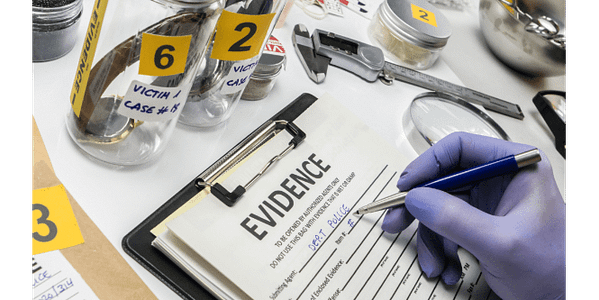
Motion to Inspect Prosecutor’s Evidence in California
In the realm of criminal law, the right to inspect evidence held by the prosecution is a fundamental aspect of ensuring a fair trial. In California, this right is encapsulated in the legal framework that governs motions to inspect evidence. Understanding this process is crucial for defendants and their legal representatives, as it can significantly impact the outcome of a case. This article delves into the intricacies of the motion to inspect prosecutor’s evidence, outlining its importance, the legal basis, and the procedural steps involved.
Understanding the Motion to Inspect Evidence
What is a Motion to Inspect Evidence?
A motion to inspect evidence is a formal request made by the defense to the court, seeking access to materials that the prosecution intends to use against the defendant. This motion is grounded in the principle of transparency within the judicial process, allowing defendants to prepare an adequate defense by reviewing all relevant evidence.
Importance of the Motion
The ability to inspect evidence is vital for several reasons:
- Fair Trial Rights: The Sixth Amendment of the U.S. Constitution guarantees the right to a fair trial, which includes the opportunity to examine evidence.
- Preparation for Defense: Access to evidence allows the defense to formulate strategies, challenge the prosecution’s claims, and identify weaknesses in the case.
- Preventing Trial by Ambush: By ensuring that both parties have access to the same information, the motion helps prevent surprises during trial, which can undermine the integrity of the judicial process.
Legal Framework Governing the Motion
California Penal Code
The legal basis for filing a motion to inspect evidence in California is primarily found in the California Penal Code, particularly under sections related to discovery. Penal Code § 1054 outlines the obligations of the prosecution to disclose evidence to the defense.
Key Provisions
- Disclosure Obligations: The prosecution is required to disclose all evidence that is material to the defense, including witness statements, expert reports, and physical evidence.
- Timeliness: The prosecution must provide this information in a timely manner, typically within 15 days of a request, to allow the defense adequate time to prepare.
Grounds for Filing a Motion
Common Reasons for Filing
Defendants may file a motion to inspect evidence for various reasons, including:
- Incomplete Disclosure: If the prosecution fails to provide all requested materials, the defense can file a motion to compel disclosure.
- Brady Violations: Under the Brady v. Maryland ruling, the prosecution must disclose exculpatory evidence. If such evidence is withheld, a motion can be filed to address this violation.
- Need for Additional Evidence: If new evidence emerges that could impact the case, the defense may seek to inspect this evidence to assess its relevance.
Specific Examples
- Witness Statements: If the prosecution has statements from witnesses that have not been shared, the defense can request access to these documents.
- Forensic Evidence: In cases involving forensic analysis, the defense may seek to inspect lab reports and the underlying evidence to challenge the prosecution’s findings.
The Process of Filing a Motion
Step-by-Step Guide
Filing a motion to inspect evidence involves several key steps:
- Drafting the Motion: The defense attorney must prepare a written motion that clearly outlines the request for evidence inspection, citing relevant legal provisions.
- Filing with the Court: The motion must be filed with the appropriate court, along with any supporting documents or affidavits that bolster the request.
- Notice to the Prosecution: The defense must provide notice to the prosecution, allowing them the opportunity to respond to the motion.
- Hearing: A hearing may be scheduled where both parties can present their arguments. The judge will then decide whether to grant or deny the motion.
Considerations During the Hearing
During the hearing, the defense should be prepared to:
- Present Evidence: Clearly articulate why the requested evidence is necessary for a fair defense.
- Address Prosecution’s Arguments: Be ready to counter any objections raised by the prosecution regarding the disclosure of evidence.
Potential Outcomes of the Motion
Granting the Motion
If the court grants the motion, the prosecution will be ordered to provide the requested evidence. This can significantly enhance the defense’s ability to prepare for trial.
Denying the Motion
Conversely, if the motion is denied, the defense may have limited options. They can:
- Appeal the Decision: Depending on the circumstances, the defense may have grounds to appeal the ruling.
- Seek Alternative Evidence: The defense can continue to investigate and seek other avenues for obtaining necessary evidence.
Challenges in the Motion Process
Common Obstacles
Defendants may face several challenges when filing a motion to inspect evidence:
- Prosecutorial Resistance: The prosecution may resist disclosing certain evidence, citing legal protections or concerns about the integrity of ongoing investigations.
- Judicial Discretion: Judges have broad discretion in deciding whether to grant motions, which can lead to unpredictable outcomes.
Strategies for Overcoming Challenges
To navigate these challenges effectively, the defense can:
- Build a Strong Case: Provide compelling reasons for why the evidence is essential, supported by legal precedents.
- Engage in Negotiation: Sometimes, informal discussions with the prosecution can lead to voluntary disclosure without the need for a formal motion.
Need An Attorney?
The motion to inspect prosecutor’s evidence is a critical tool in the defense arsenal, ensuring that defendants have the opportunity to review all relevant materials before trial. By understanding the legal framework, the grounds for filing, and the procedural steps involved, defendants can better navigate the complexities of the criminal justice system. Engaging a knowledgeable attorney can further enhance the chances of a successful motion, ultimately contributing to a fair trial process.
If you find yourself in a situation where you need to inspect evidence, do not hesitate to reach out to a qualified attorney who can guide you through the process and protect your rights.
Need a Criminal Defense Attorney? CALL NOW: 213-932-8922
Yuliya Kelmansky is an Expert Criminal Defense Attorney who has over 10 years of practice defending a variety of criminal cases.