

Understanding the Motion to Inspect Physical Evidence in California
In California civil litigation, inspection demands allow a party to seek access to documents, tangible items, electronically stored information, or property relevant to the case. These discovery procedures can help parties obtain and examine evidence relevant to disputed issues in the case. Understanding the applicable discovery procedures and deadlines is important for parties involved in California civil litigation.
What is a Motion to Inspect Physical Evidence?
Under California civil discovery law, a party may serve a demand for inspection, copying, testing, or sampling of documents, electronically stored information, tangible things, or certain property. If the responding party does not adequately comply, the requesting party may seek a court order compelling further compliance. Depending on the circumstances, an inspection demand may seek documents, electronically stored information, tangible items, or land or other property for inspection, testing, or sampling. The discovery process is intended to allow parties to obtain relevant information and evidence within the scope permitted by California law.
Types of Evidence Subject to Inspection
The types of evidence that can be requested through a motion to inspect include:
- Documents: This encompasses any written or recorded information, such as contracts, emails, or reports.
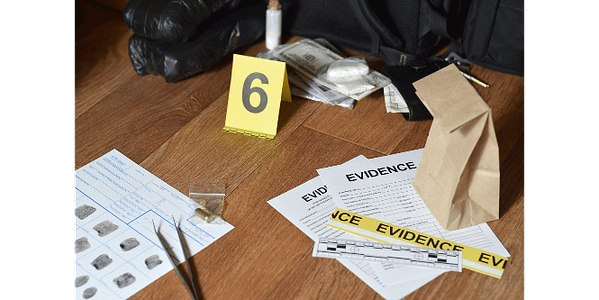
- Tangible Items: Physical objects relevant to the case, such as weapons, clothing, or other materials.
- Electronically Stored Information (ESI): Digital data, including emails, text messages, and files stored on computers or servers.
- Land or Property: In some cases, access to specific locations may be necessary for inspection, measurement, or testing.
Legal Framework Governing Inspection Motions
In California, the legal framework for motions to inspect physical evidence is primarily governed by the Code of Civil Procedure. Specifically, sections 2031.010 to 2031.510 outline the procedures and requirements for making such requests.
Key Provisions of the Code
- Scope of Discovery: The law allows any party to obtain discovery within the scope defined by the relevant statutes, ensuring that the evidence sought is pertinent to the case.
- Possession and Control: The party from whom evidence is requested must have possession, custody, or control of the items in question.
- Response Time: The opposing party is typically required to respond to the motion within a specified timeframe, detailing whether they will comply with the request or object to it.
The Process of Filing a Motion to Inspect
Filing a motion to inspect physical evidence involves several steps, each critical to ensuring that the request is properly articulated and legally sound.
Step 1: Drafting the Motion
The first step is to draft the motion itself. This document should clearly outline:
- The specific items or evidence being requested.
- The relevance of the evidence to the case.
- Any supporting arguments or legal precedents that justify the request.
Step 2: Filing the Motion
Once the motion is drafted, it must be filed with the appropriate court. This typically involves submitting the motion along with any required forms and paying a filing fee.
Step 3: Serving the Motion
After filing, the motion must be served to the opposing party. This ensures that they are aware of the request and have the opportunity to respond.
Step 4: Court Hearing
In many cases, a hearing will be scheduled where both parties can present their arguments. The judge will then decide whether to grant or deny the motion based on the merits of the request.
Common Challenges in Motion to Inspect Cases
While the process may seem straightforward, several challenges can arise when filing a motion to inspect physical evidence.
Objections from the Opposing Party
The opposing party may object to the motion for various reasons, including claims of irrelevance, privilege, or undue burden. The requesting party may need to address these objections and establish why the requested discovery is permissible.
Compliance Issues
Even if a motion is granted, the opposing party may fail to comply fully. In such cases, further legal action may be necessary to enforce the court’s order.
Time Constraints
Legal proceedings often operate under strict timelines. Delays in filing or responding to motions can jeopardize a case, making it crucial to adhere to all deadlines.
The Importance of Legal Representation
Navigating California’s discovery rules can be challenging, particularly when the requested evidence is subject to objections or other restrictions. An attorney familiar with California discovery procedures can help a party evaluate the scope of a request, address objections, and comply with applicable deadlines.
Benefits of Hiring an Attorney
- Expertise in Legal Procedures: An attorney can guide you through the intricacies of the legal system, ensuring that all motions are filed correctly and on time.
- Strategic Planning: A skilled lawyer can develop a strategy tailored to your case, identifying the most relevant evidence to request.
- Representation in Court: Having legal representation during hearings can bolster your position and improve your chances of success.
Need An Attorney?
The motion to inspect physical evidence is a vital tool in the California legal system, promoting fairness and transparency in legal proceedings. Understanding the process, potential challenges, and the importance of legal representation can empower individuals to navigate their cases more effectively. Whether you are a plaintiff seeking justice or a defendant protecting your rights, being informed about this legal mechanism is essential for achieving a favorable outcome.
If you are involved in a discovery dispute involving physical evidence or other materials, a qualified attorney can help determine the appropriate procedure and available remedies.
References
[1] – https://leginfo.legislature.ca.gov/faces/codes_displaySection.xhtml?lawCode=CCP§ionNum=2031.010
[2] – https://leginfo.legislature.ca.gov/faces/codes_displaySection.xhtml?lawCode=CCP§ionNum=2031.030
[3] – https://selfhelp.courts.ca.gov/discovery-civil/request/request-production
[4] – https://www.americanbar.org/content/dam/aba/publications/franchise_lawyer/spring2021/fl-spring2021.pdf
[5] – https://scholarship.law.cornell.edu/clr/vol93/iss1/14/
Need a Criminal Defense Attorney? CALL NOW: 213-932-8922
Yuliya Kelmansky is an Expert Criminal Defense Attorney who has over 10 years of practice defending a variety of criminal cases.