


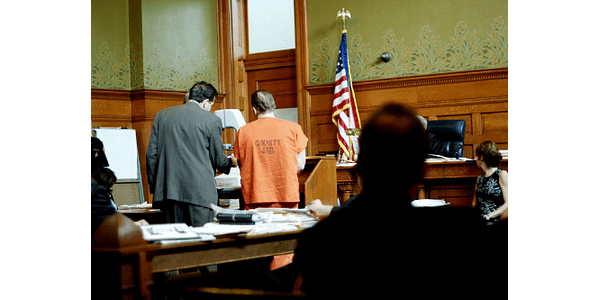
Motion for Competency Evaluation in California
Determining whether a defendant is mentally competent to stand trial is an important part of California’s criminal justice process. In California, competency proceedings are governed by specific statutes and court procedures intended to protect a defendant’s right to a fair trial. This article explains California’s competency proceedings, including when a competency evaluation may be ordered, how the process works, and what may happen if a defendant is found incompetent.
Understanding Mental Competency
Competency to stand trial generally concerns whether a defendant understands the nature and purpose of the criminal proceedings and is able to assist counsel in conducting a defense. In California, this concept is primarily governed by Penal Code section 1368. If a judge, prosecutor, or defense attorney has reasonable doubt about a defendant’s mental competency, they can initiate a competency evaluation.
Legal Framework
The legal framework surrounding competency evaluations is rooted in the Sixth Amendment of the U.S. Constitution, which guarantees the right to a fair trial. This includes the right to understand the charges and participate meaningfully in one’s defense. California Penal Code section 1368 outlines the procedures for determining competency, emphasizing the need for a thorough evaluation when doubts arise.
Key Elements of Competency
To be deemed competent to stand trial, a defendant must demonstrate the following abilities:
- Understanding the Proceedings: The defendant must comprehend the nature and purpose of the legal process.
- Assisting Counsel: The defendant must be able to assist counsel in preparing and presenting a defense.
- Comprehending Their Status: The defendant must understand their role and status within the court system.
If a defendant is unable to meet these criteria due to a mental disorder or developmental disability, they may be considered incompetent to stand trial.
Initiating a Competency Evaluation
Competency proceedings begin when the court determines that reasonable doubt exists regarding the defendant’s competency to stand trial. This can occur at any stage of the criminal proceedings, including pre-trial or during probation revocation hearings.
Declaration of Doubt
When a judge has reasonable doubt regarding a defendant’s competency, they must formally declare this doubt on the record. This declaration triggers the suspension of criminal proceedings and the initiation of competency proceedings.
Role of Defense Counsel
Defense attorneys play a crucial role in this process. They can express their concerns about a defendant’s mental competency and provide evidence to support their claims. However, simply stating an opinion without substantial evidence is insufficient to initiate a competency evaluation.
The Competency Hearing Process
Once a competency evaluation is initiated, a hearing is scheduled to assess the defendant’s mental state. This hearing is a critical component of the legal process, as it determines whether the defendant can stand trial.
Evaluation by Mental Health Professionals
During the competency hearing, the court may order a psychiatric evaluation conducted by qualified mental health professionals. The court may appoint qualified mental health professionals to evaluate the defendant and provide opinions relevant to competency, including the defendant’s understanding of the proceedings and ability to assist counsel.
Burden of Proof
The prosecution generally bears the burden of proving a defendant’s competency by a preponderance of the evidence once competency is in question.
Outcomes of the Competency Hearing
After the competency hearing, the court will make a determination regarding the defendant’s mental competency. There are several possible outcomes:
Finding of Incompetence
If the court finds the defendant incompetent to stand trial, all criminal proceedings are suspended. The defendant may be committed to a mental health facility for treatment aimed at restoring competency. This treatment can last for a specified period, typically up to four months, but may be extended if necessary.
Finding of Competence
Conversely, if the court determines that the defendant is competent, the criminal proceedings will resume. The defendant will be expected to participate fully in their defense moving forward.
Implications of Competency Evaluations
The implications of competency evaluations are significant for defendants. A finding of incompetence can lead to a focus on treatment rather than punishment, emphasizing rehabilitation over retribution.
Treatment and Restoration
For defendants found incompetent, the focus shifts to mental health treatment. This approach aims to address underlying issues contributing to the defendant’s inability to participate in their defense. Many defendants are eventually restored to competency through appropriate treatment, allowing their cases to proceed.
Legal Representation
Having skilled legal representation during competency evaluations is crucial. An experienced attorney can navigate the complexities of the legal process, advocate for the defendant’s rights, and ensure that all necessary evaluations are conducted properly.
Need An Attorney?
California’s competency procedures help protect a defendant’s constitutional right not to be tried while incompetent. Understanding when competency may be questioned, how the court evaluates competency, and what happens after a finding of incompetence can help defendants and their families navigate the process. If you or a loved one is involved in a case where mental competency is in question, seeking the guidance of a knowledgeable attorney can make a significant difference in the outcome of the case.
References
[1] – https://courts.ca.gov/cms/rules/index/four/rule4_130
[2] – https://courts.ca.gov/cms/rules/index/four/rule4_131
[3] – https://www.americanbar.org/content/dam/aba/publications/criminal_justice_standards/mental-health-standards-2016.pdf
[4] – https://jaapl.org/content/jaapl/19/4/367.full.pdf
[5] – https://www.law.cornell.edu/constitution-conan/amendment-5/competency-for-trial
Need a Criminal Defense Attorney? CALL NOW: 213-932-8922
Yuliya Kelmansky is an Expert Criminal Defense Attorney who has over 10 years of practice defending a variety of criminal cases.