

Motion for Body Camera Footage in Los Angeles
In recent years, the use of body-worn cameras (BWCs) by law enforcement agencies has become a focal point in discussions about police accountability and transparency. The Los Angeles Police Department (LAPD) equips officers with body-worn cameras to record many public encounters and preserve evidence for investigations. Accessing body camera footage can be difficult because California laws balance public transparency with privacy rights and ongoing criminal investigations, particularly in the context of public access to this critical evidence following incidents involving police use of force.
Understanding Body Camera Footage
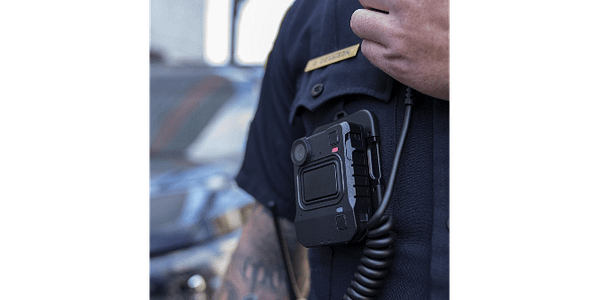
Body cameras are small recording devices worn by police officers that capture audio and video during their interactions with the public. These devices are designed to provide an unaltered account of events, which can be crucial in investigations involving police conduct. The footage can serve as vital evidence in civil rights cases, helping to clarify the circumstances surrounding police encounters.
Importance of Body Camera Footage
Body camera footage is often among the most persuasive forms of evidence in a police investigation. Recordings can confirm, contradict, or clarify witness statements, police reports, and other evidence, providing a more complete account of an encounter. In many cases, body camera video has exposed inconsistencies between officers’ reports and the events captured on camera. As a result, this footage can play a critical role in establishing the facts and ensuring accountability.
Legal Framework Governing Body Camera Footage
In California, the release of body camera footage is governed by several laws, including the California Public Records Act (CPRA) and Senate Bill 1421. These laws mandate that law enforcement agencies disclose records related to serious use-of-force incidents, including officer-involved shootings. However, the process for obtaining this footage can be complex and often requires navigating bureaucratic hurdles.
The LAPD’s Body Camera Policy
LAPD policies governing body camera recordings continue to evolve as technology, storage requirements, and transparency laws change. Initially, the department retained all footage indefinitely, but recent proposals suggest a shift towards a more restrictive retention policy. Under the proposed guidelines, certain footage could be deleted after five years, raising concerns among oversight officials and community advocates about the potential loss of valuable evidence.
Proposed Changes to Data Retention
The LAPD’s chief information officer has outlined plans to allow the destruction of millions of body camera videos that are deemed no longer necessary. While exceptions would be made for footage related to police shootings and ongoing investigations, the proposal has faced criticism for lacking sufficient safeguards against the inadvertent deletion of important records.
Community Concerns and Oversight
Civil rights advocates and oversight organizations have raised concerns that deleting footage too soon could eliminate important evidence. Critics argue that the policy lacks clarity and fails to provide adequate protection for footage that could be essential for accountability. Calls have been made for the LAPD to collaborate with body camera manufacturers to implement measures that prevent unauthorized deletions.
Accessing Body Camera Footage
For individuals seeking access to body camera footage, understanding the process is crucial. The California Public Records Act allows citizens to request records from government agencies, including law enforcement. However, the effectiveness of these requests can vary based on the agency’s compliance and the specific circumstances surrounding the incident.
Steps to Request Footage
-
Submit a CPRA Request: To obtain body camera footage, individuals must submit a written request to the relevant law enforcement agency. This request should specify the desired footage, including details about the incident and the officers involved.
-
Know Your Rights: Under California law, agencies are required to respond to CPRA requests within ten days. If a request is denied, individuals have the right to appeal the decision or seek legal recourse.
-
Preserve Evidence: While waiting for a response, it is advisable to gather any additional evidence, such as witness statements or other recordings, that may support the request for footage.
Challenges in Accessing Footage
Despite the legal framework in place, obtaining body camera footage is not always straightforward.. Agencies may cite ongoing investigations or privacy concerns as reasons for withholding footage. In such cases, individuals may need to engage legal assistance to navigate the complexities of the process.
The Role of Legal Representation
An experienced attorney can determine the best legal strategy for obtaining body camera footage. Legal professionals can help individuals understand their rights, navigate the CPRA process, and challenge any unjust denials of access.
Benefits of Legal Assistance
- Expert Guidance: Attorneys experienced in civil rights law can provide valuable insights into the nuances of the legal framework governing body camera footage.
- Effective Advocacy: Legal representation can enhance the chances of successfully obtaining footage by ensuring that requests are properly formulated and submitted.
- Challenging Denials: If an agency denies a request, an attorney can assist in appealing the decision or pursuing legal action to compel disclosure.
The Impact of Body Camera Footage on Accountability
The availability of body camera footage has the potential to transform the landscape of police accountability. By providing a transparent record of police interactions, these recordings can help build public trust and foster a culture of accountability within law enforcement agencies.
Enhancing Public Trust
When police departments are transparent about their operations and willing to share body camera footage, it can lead to increased public confidence in law enforcement. Communities are more likely to support police initiatives when they believe that officers are held accountable for their actions.
Addressing Misconduct
Body camera footage can serve as a critical tool in addressing allegations of police misconduct. By providing an objective record of events, these recordings can help ensure that officers are held accountable for their actions, ultimately leading to improved policing practices.
Future Considerations
As body camera technology continues to evolve, lawmakers and law enforcement agencies will likely continue updating policies governing public access and evidence retention. Policymakers, law enforcement agencies, and community advocates must work collaboratively to establish guidelines that protect the integrity of body camera footage while ensuring public access to this vital evidence.
Recommendations for Policy Improvement
- Clear Retention Guidelines: Establishing clear and comprehensive guidelines for the retention and deletion of body camera footage can help prevent the loss of critical evidence.
- Community Engagement: Involving community members in the development of body camera policies can foster trust and ensure that the policies reflect the needs and concerns of the public.
- Regular Reviews: Conducting regular reviews of body camera policies and practices can help identify areas for improvement and ensure that the policies remain effective and relevant.
Need An Attorney?
The motion for body camera footage in Los Angeles represents a critical intersection of law enforcement accountability and public access to information. As the landscape of policing continues to evolve, stakeholders must prioritize transparency and work collaboratively to establish policies that protect the integrity of body camera footage while ensuring that communities have access to this essential evidence. By doing so, we can foster a culture of accountability that benefits both law enforcement and the communities they serve.
References
[1] – https://leginfo.legislature.ca.gov/faces/codes_displayText.xhtml?division=10.&part=5.&lawCode=GOV&title=1
[2] – https://leginfo.legislature.ca.gov/faces/codes_displaySection.xhtml?sectionNum=832.7&lawCode=PEN
[3] – https://www.lapdonline.org/body-worn-video/
[4] – https://bja.ojp.gov/program/body-worn-cameras-bwc
[5] – https://www.law.cornell.edu/wex/freedom_of_information_act
[6] – https://www.policeforum.org/bodyworncameratoolkit
Need a Criminal Defense Attorney? CALL NOW: 213-932-8922
Yuliya Kelmansky is an Expert Criminal Defense Attorney who has over 10 years of practice defending a variety of criminal cases.