



How Early Intervention Can Stop Criminal Charges Before Court
Did you know that pre-file intervention could be your most powerful opportunity to prevent criminal charges from ever appearing on your record?
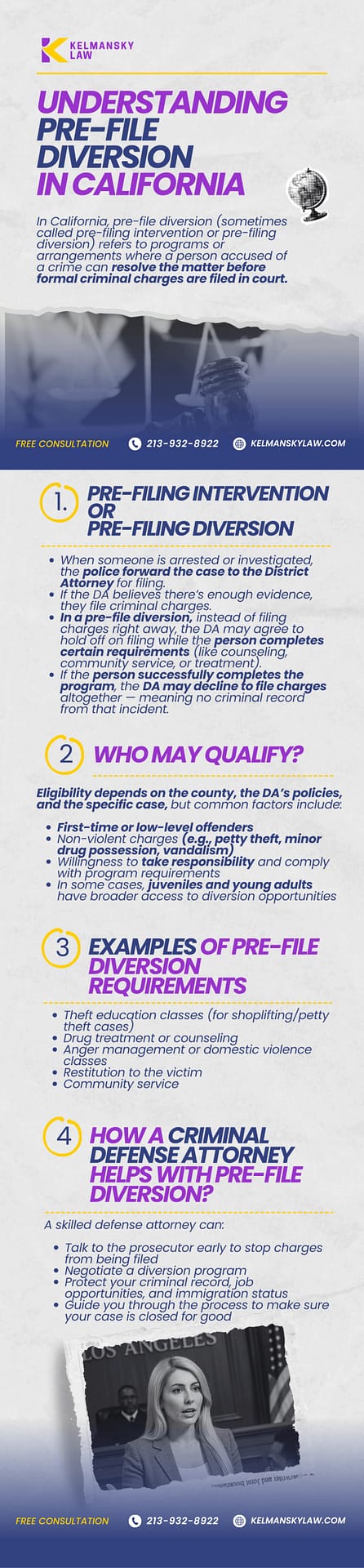
Unlike the courtroom phase that most people focus on, the critical window between an investigation and formal charges offers a unique chance to avoid prosecution altogether. During this period, an experienced defense attorney can engage with prosecutors, present exculpatory evidence, and potentially convince authorities not to file charges. Under California law, this approach can be particularly effective since prosecutors have discretion in deciding which cases to pursue based on evidence strength and resource allocation.
Fortunately, strategic legal advocacy during this pre-filing stage can dramatically alter the trajectory of a potential criminal case. Rather than waiting passively for charges to be filed, early intervention allows your attorney to proactively shape the narrative, challenge problematic evidence, and advocate for alternatives to prosecution.
This article examines how pre-file intervention works, its key benefits, when to consider this approach, and the legal tools available to protect your rights before charges are filed. By understanding these strategies, you'll learn why acting before formal charges may be your best defense against the life-altering consequences of criminal prosecution.
Call 213-932-8922, for a free consultation.

Understanding the Pre-Filing Stage in Criminal Cases
The pre-filing stage represents a critical window between initial police contact and formal charging decisions. This phase determines whether a case will proceed through the criminal justice system or be resolved without court involvement.
What Happens Between Arrest and Charges
Criminal cases typically begin with an arrest by law enforcement based on probable cause that a crime occurred [1]. Subsequently, the arrested individual undergoes booking—a process involving documentation of personal information, photographs, fingerprinting, and temporary custody. For minor offenses, officers might issue a citation instead of making a formal arrest [2].
After booking, several key events occur. The suspect must appear before a judicial officer promptly—generally within 48 hours of arrest [2]. However, this timeframe sometimes extends beyond legal requirements despite mandates that initial appearances occur "without unnecessary delay" [2].
During this period, law enforcement compiles evidence, interviews witnesses and potential victims, and prepares investigation reports [3]. These reports serve as the foundation for prosecutorial review and form the basis of potential charges. Meanwhile, the defense can begin its own investigation to challenge or supplement the official findings [3].
It's worth noting that evidence gathered during this stage—including statements made to police—can significantly impact case outcomes. Consequently, exercising the right to remain silent and requesting legal representation immediately after arrest are crucial protective measures [2].
Role of Prosecutor in Filing Decisions
Prosecutors hold extraordinary discretion in determining whether charges will be filed. After reviewing the pre-filing investigation report, they have three primary options:
- File criminal charges
- Decline to file charges
- Return the case for further investigation [1]
This decision-making process focuses on evidence strength, case viability, and public interest considerations. According to American Bar Association standards, prosecutors must "act with integrity and balanced judgment" while serving the public interest [2]. Furthermore, they must "refrain from prosecuting a charge that is not supported by probable cause" [2].
Prosecutors aren't obligated to file charges simply because law enforcement recommends prosecution [1]. They independently evaluate cases and sometimes file different charges than those recommended by investigating officers [1]. Additionally, they may downgrade charges to misdemeanors or dismiss cases entirely if evidence is insufficient.
Prosecutors balance multiple responsibilities in this role—they aren't merely "case-processors but also problem-solvers" [2]. Their primary duty extends beyond securing convictions to "seeking justice within the bounds of the law" [2].
Statute of Limitations and Filing Deadlines
Time constraints play a significant role in filing decisions through statutes of limitations—legal timeframes within which prosecutors must initiate charges. Most felony charges must be filed within three years of the alleged offense [4], whereas misdemeanors generally have a one-year limitation period [5].
However, these timeframes vary considerably based on offense severity:
- Murder, kidnapping, and sexual assault cases have no statute of limitations [4]
- Labor trafficking of adults and certain bribery offenses allow six years [4]
- Financial crimes involving more than $35,000 permit five years for prosecution [4]
In federal cases, stricter deadlines apply—indictments or information must be filed within 30 days from arrest or summons service [2]. Moreover, trials must commence within 70 days from charging document filing [2].
These limitations ensure evidence remains fresh, witnesses' memories intact, and defendants aren't indefinitely threatened with prosecution [5]. Nevertheless, exceptions exist—the limitations period excludes time when defendants are absent from the state or participating in pretrial diversion programs [4].
Understanding this pre-filing stage offers a valuable opportunity for defense intervention before the formal judicial process begins.
- Related Articles:
- New California Criminal Justice Laws Starting in 2026
- The Most Common Los Angeles Felony Crimes
- Knowing Your Rights: What to do If You Are Being Arrested
- Evidence Code Section 1200 — aka The Hearsay Rule: Uses & Exceptions
How Pre-File Intervention Works Step-by-Step
Pre-file intervention begins the moment you become aware of a police investigation. Taking immediate action through these strategic steps can dramatically change the outcome of your case.
Defense Investigation During Police Inquiry
Swift defense action starts with a thorough, independent investigation that counterbalances the police's often one-sided approach. Initially, defense attorneys gather favorable evidence that might be overlooked by law enforcement [5]. This includes interviewing potential witnesses, reviewing existing evidence, and engaging forensic experts to analyze findings from a defense perspective [5].
Experienced attorneys know that visiting the actual scene yields insights that reports alone cannot provide. As one expert notes, "The map is not the territory… a written witness statement is no substitute for speaking with the witness" [6]. This hands-on approach helps identify inconsistencies in police reports or witness statements that might undermine the prosecution's case.
Defense investigators document everything meticulously, preserving witness testimony and digital evidence that might otherwise disappear. Remember, "Witness memories fade, agencies destroy documents, and internet companies scrub data" [6], making immediate investigation crucial to mounting an effective defense.
Presenting a Proffer to the Prosecutor
A proffer represents a controlled information exchange between a defendant and prosecutors, typically conducted at the U.S. Attorney's Office with the defendant's attorney present [7]. Often described as an "audition" for cooperation, this meeting allows you to share selected information with authorities under specific protections [8].
Proffers operate under limited immunity agreements—sometimes called "queen for a day" agreements—where statements cannot be used directly against you in court [4]. Yet caution remains essential as prosecutors may still use your information to develop new leads, locate physical evidence, or identify additional witnesses [4].
Before any proffer session, defense counsel strategically assesses your status in the investigation:
- As a witness with limited involvement
- As a subject under evaluation
- As a target likely to be indicted [4]
This assessment determines whether a proffer might benefit your case or potentially expose you to greater risk.
Negotiating Charge Reductions or Dismissals
Following investigation and possible proffer, defense attorneys present their findings to prosecutors. This presentation focuses on weaknesses in the state's case or mitigating factors that warrant leniency.
Negotiation strategies typically include:
- Presenting exculpatory evidence that contradicts police findings
- Highlighting inconsistencies in witness statements or evidence collection
- Demonstrating potential legal challenges that might arise if charges proceed
- Proposing alternative resolutions such as diversion programs [5]
Successful negotiations might result in charges being reduced from felonies to misdemeanors or dismissed entirely [5]. Essentially, this involves convincing prosecutors that pursuing certain charges would inefficiently use their limited resources or fail to serve public interest.
Avoiding Arrest Through Summons Agreements
For those not yet arrested, pre-file intervention offers an opportunity to arrange appearance by summons instead of physical arrest. This approach allows you to voluntarily appear in court without experiencing handcuffs, booking procedures, or jail time.
Defense attorneys negotiate these arrangements by demonstrating your stability and commitment to addressing the allegations responsibly. Through these negotiations, attorneys establish that you pose no flight risk or danger to the community, making formal arrest unnecessary.
Successfully avoiding arrest preserves your dignity plus shields you from employment disruptions and public embarrassment. Furthermore, it allows you to continue working with your attorney from a position of freedom, enhancing your ability to participate in your defense.
Key Benefits of Early Legal Intervention
Early action by defense counsel offers substantial advantages that diminish once charges are formally filed. The benefits extend far beyond mere legal outcomes, affecting every aspect of a defendant's life.
Preventing Charges Through Exculpatory Evidence
Exculpatory evidence—information that negates guilt or reduces punishment—can stop cases before they start. Early legal representation allows attorneys to identify and present this crucial evidence to prosecutors. The U.S. Supreme Court has established that prosecutors must disclose any evidence favorable to defendants on issues of guilt or punishment [9]. Accordingly, defense attorneys can proactively gather and present such evidence, including physical items (DNA analysis, fingerprints), witness statements, or police reports that contradict allegations [10].
Notably, early presentation of exculpatory evidence can lead to complete dismissal of potential charges. Studies show clients with early legal support were 132% more likely to have their cases dismissed compared to those who secured representation later [11]. This proactive approach prevents unnecessary legal proceedings altogether.
Reducing Felony to Misdemeanor Before Filing
The distinction between felony and misdemeanor charges extends far beyond courtroom consequences. Individuals with felony convictions face up to 30% higher unemployment rates compared to those with misdemeanors or cleared records [12]. Throughout the pre-filing stage, attorneys can negotiate charge reductions that fundamentally reshape a client's future.
Misdemeanor classifications preserve critical rights, including:
- Voting privileges
- Certain firearm rights
- Housing approval opportunities
- Potential record-clearing options [12]
Avoiding Bail and Custody Through Early Action
Pre-file intervention dramatically reduces time spent in custody. One study found clients with early legal help spent an average of only six days in custody compared to 29 days for those without early representation [11]. Defense attorneys can request release on personal recognizance without monetary requirements for non-violent offenders with community ties [2].
For cases requiring bail, attorneys can request formal reduction hearings based on:
- Evidence weaknesses
- First-time offense status
- Health issues
- Employment responsibilities [2]
Preserving Reputation and Employment Opportunities
The most critical time for maintaining professional image is immediately after an investigation becomes known [13]. Early intervention by counsel allows for:
- Strategic media response management
- Digital footprint protection through social media restrictions
- Confidential case resolution whenever possible [14]
For professionals, reputation preservation isn't merely about pride—it's essential for livelihood protection [13]. Early intervention shields individuals from public scrutiny while resolving matters discreetly, often preventing employment termination that frequently follows public allegations.
When to Consider Pre-File Intervention
Timing makes all the difference in criminal defense. Recognizing precisely when to employ pre-file intervention can determine whether you face formal charges or walk away without court involvement. Several specific situations demand immediate attorney involvement.
After Police Contact But Before Arrest
The moment law enforcement identifies you as a "person of interest" presents an ideal opportunity for pre-file intervention [3]. This stage typically involves:
- Phone calls from investigators
- Officers visiting your home or workplace
- Requests for "a quick chat" about an incident
- Subpoenas or warrants for personal records [15]
At this juncture, an attorney can negotiate with law enforcement and present exculpatory evidence that might prevent an arrest altogether [3]. Importantly, this allows you to maintain your freedom throughout the investigation process.
Following Arrest Without Formal Charges
After an arrest, a crucial window opens before formal charging decisions. In many jurisdictions, law enforcement must release individuals if charges aren't filed within 48 hours [5]. Yet, this release doesn't mean the case is closed—prosecutors may continue building their case for months or even years, provided they act within the statute of limitations [5].
This interim period offers a vital opportunity for defense attorneys to conduct their own investigation and potentially convince prosecutors not to pursue charges [5]. Specifically, a skilled attorney can highlight weaknesses in evidence or present mitigating circumstances during this critical phase.
In Cases of False Accusation or Misunderstanding
False accusations or misunderstandings frequently lead to arrests based on incomplete information. Pre-file intervention proves especially valuable here as attorneys can clarify factual misunderstandings before prosecutors make charging decisions [3]. Through proper investigation, attorneys can locate witnesses, videos, or other exculpatory evidence demonstrating that a case cannot be successfully prosecuted [16].
For Drug, White-Collar, or High-Profile Cases
Certain case types particularly benefit from pre-file intervention:
Drug cases often qualify for diversion programs or reduced charges when addressed early [3]. Similarly, white-collar investigations typically involve extensive document review before charging decisions, creating an extended opportunity for defense involvement [17].
Furthermore, professionals and public figures should seek immediate representation upon learning of an investigation [17]. For these individuals, early legal action protects both reputation and career prospects while minimizing media exposure [3].
Legal Tools and Rights During Pre-Filing
During the pre-file stage, strategic use of legal protections can significantly impact case outcomes. Your constitutional rights and professional resources provide powerful tools when deployed correctly.
Using the Right to Remain Silent Strategically
Exercising your right to remain silent represents a cornerstone constitutional protection, yet must be invoked explicitly. Simply remaining quiet without formally declaring this right may not trigger legal safeguards. To properly assert this protection, clearly state "I am invoking my right to remain silent" or "I want a lawyer." After this declaration, cease all communication, as any voluntary statements remain admissible in court. Indeed, officers may continue questioning despite your declaration, requiring steadfast commitment to silence. This strategic approach prevents potentially harmful misinterpretations of your words. Furthermore, avoid fluctuating between answering questions and remaining silent, as this inconsistency can weaken protection.
Attorney Communication with Law Enforcement
Once retained, attorneys can engage directly with investigators to prevent harmful interrogation tactics. This professional buffer allows for controlled information exchange while protecting your interests. Lawyers often contact detectives to clarify misunderstandings or obtain case details without exposing you to questioning risks. In addition, they can communicate with prosecutors to present mitigating information before charging decisions occur. Throughout this process, attorneys maintain the shield of attorney-client privilege, ensuring all discussions remain confidential.
Hiring a Private Investigator for Defense Evidence
Private investigators provide invaluable support by conducting independent investigations parallel to official inquiries. Given their backgrounds often include law enforcement experience, PIs excel at analyzing police evidence and identifying weaknesses in the prosecution's approach. They legally collect evidence through witness interviews, document research, and digital forensics that might otherwise remain undiscovered. Private investigators help locate video evidence, interview potential witnesses, and examine police findings from an objective standpoint. For pre-file cases, this early investigative work frequently uncovers exculpatory evidence vital to preventing formal charges.
Conclusion
Pre-file intervention stands as a powerful legal strategy that can significantly alter the trajectory of a potential criminal case. Throughout this article, we have explored how this proactive approach works during the critical window between investigation and formal charges. Acting swiftly after police contact allows your defense team to gather exculpatory evidence, present proffers to prosecutors, and negotiate potential outcomes—all before your case reaches a courtroom.
The benefits of early intervention extend far beyond merely avoiding charges. Your reputation, employment opportunities, and personal freedom remain protected when legal representation begins immediately after police contact. Likewise, the avoidance of arrest records, bail requirements, and custody time represents tangible advantages that disappear once formal charges enter the system.
Certain situations particularly warrant pre-file intervention. These include periods after police contact but before arrest, following arrest without formal charges, cases involving false accusations, and matters related to drug offenses, white-collar crimes, or high-profile individuals. During these critical phases, your constitutional rights—especially the right to remain silent—serve as essential protections when strategically deployed.
The justice system offers this unique opportunity for resolution before court proceedings begin. Professional legal assistance during this phase can mean the difference between facing life-altering charges and having your case dismissed entirely. Therefore, anyone facing potential criminal allegations should consider immediate legal representation rather than waiting passively for the system to decide their fate.
Remember, the window for pre-file intervention closes permanently once charges are filed. This fact alone underscores why proactive defense strategies often yield better outcomes than reactive approaches after charges appear. Armed with this knowledge, you now understand why the period before formal charging may indeed be your most powerful opportunity to protect your rights, reputation, and future.

Need a Criminal Defense Attorney? CALL NOW: 213-932-8922
Yuliya Kelmansky is an Expert Criminal Defense Attorney who has over 10 years of practice defending a variety of criminal cases.