


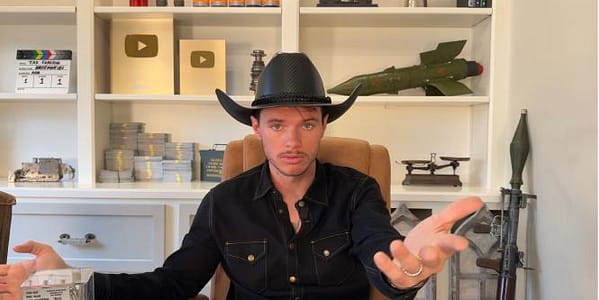
The Facts at a Glance
Cody Detwiler — better known online as WhistlinDiesel — is facing high-profile legal trouble after being charged in connection with alleged tax evasion related to the purchase and registration of an exotic vehicle. Below is a concise summary of the facts as reported publicly, followed by an argument that the prosecution looks less like impartial justice and more like a deliberate effort to make an example of a very visible content creator — and why that approach feels wrong and petty.
According to public reports and Detwiler’s own statements, he and his company (WhistlinDiesel LLC) were accused in a Tennessee indictment of attempting to evade or defeat state tax obligations in connection with the purchase and registration of a 2020 Ferrari F8 Tributo. Detwiler says he registered the vehicle through a Montana-based business entity to take advantage of Montana’s lack of vehicle sales tax — a strategy reportedly used by other exotic-car owners — and that the arrest came as a surprise.
Why Many Believe He’s Being Made an Example
1. Enforcement Contrast
The statute cited in the indictment references amounts of “$500 or more,” yet the Montana registration strategy has been used for years by other owners without widely publicized criminal prosecution. When a tactic that appears tolerated for a long time suddenly results in a criminal charge for one person, it raises questions about selective enforcement.
2. High Visibility Makes Him a Convenient Target
Detwiler’s status — a large online audience and a reputation for dramatic automotive stunts — means any enforcement action will receive outsized publicity. Prosecuting a well-known influencer sends a louder, more visible signal to the public than pursuing a less prominent private citizen.
3. The Signal Over the Substance
Even assuming the legal theory in the indictment could be sustained, the timing and manner of prosecution suggest the possibility that the state is prioritizing deterrence and publicity over uniform application of the law. That kind of messaging prosecution can look like a performance: target a famous defendant to warn everyone else.
Why This Might Be Wrong & Petty
A. Unequal Application of the Law
If a registration or tax-minimization structure is widespread and typically not pursued criminally, singling out one individual — however famous — feels unfair. Selective enforcement undermines the notion of equal treatment under the law.
B. Damage vs. Distrust
Publicly framing the case as felony tax evasion, imposing large bail or bond demands, and turning the arrest into a spectacle can seem disproportionate. Whether or not the tax sums involved are substantial, the optics of dramatic criminal charging against someone using a previously common strategy damage trust in prosecutorial discretion.
C. Chilling Effect on Business Practices
Thousands of vehicle owners have reportedly taken advantage of Montana registration structures. If authorities abruptly target a single prominent figure, it creates business and legal uncertainty — owners and advisors may no longer rely on long-standing practices and will fear retroactive or selective crackdowns.
D. Publicity Over Due Process
When enforcement looks aimed at generating headlines, it risks subordinating due process to optics. A justice system that appears to use prosecutions to “send a message” rather than to apply the law consistently damages public confidence.
Questions Raised
- Why prosecute this individual when others using similar registration strategies were not pursued?
- Is the primary objective to secure compliance and revenue, or to publicly deter a visible community?
- Does selective prosecution erode public trust in fairness and impartiality?
- Related Articles:
- California State Tax Evasion
- Federal Tax Evasion
- Federal Money Laundering
Final Thoughts
No one is arguing that tax obligations are unimportant. If a person willfully evades taxes, consequences are appropriate. But high-profile cases like this one highlight the tension between legitimate enforcement and the temptation to use prosecutorial power as a tool of public spectacle. If authorities are indeed aiming to make an example of a popular creator, that approach feels petty and risks doing more harm than good — to public confidence in fair treatment, to predictable business practice, and to the integrity of the justice system itself.
References & Further Reading
Primary public sources referenced while preparing the summary above:
- WhistlinDiesel — “I Got Arrested for ‘Tax Evasion’” (YouTube)
- WSMV: YouTuber with more than 10M subscribers accused of tax evasion (Nov 2025)
- Taste of Country: WhistlinDiesel explains tax evasion charges, insists he was targeted
- The Drive: Is the government making an example out of WhistlinDiesel?
- New York Post: YouTuber Cody Detwiler arrested over tax evasion on $400K Ferrari (Nov 2025)
Need an Attorney? CALL NOW: 213-932-8922
Yuliya Kelmansky is an Expert Attorney who has over 10 years of practice defending a variety of cases.
Note: This article summarizes public reporting and presents an argument that the prosecution may be intended as a deterrent spectacle. It is not a legal determination of guilt or innocence.