


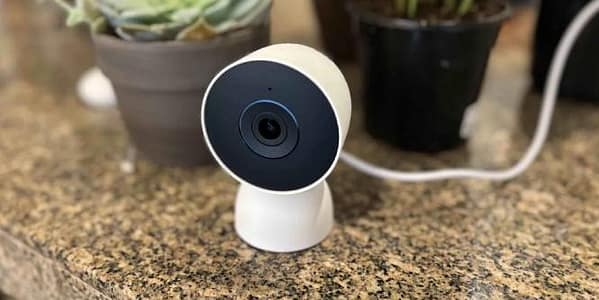
Smart Home Devices as Witnesses: Digital Evidence in Domestic Violence Cases
In today’s interconnected world, our homes are increasingly filled with smart devices that listen, watch, and record our daily activities. From Ring doorbell cameras to Amazon’s Alexa voice assistants, these technologies have transformed not just how we live, but also how evidence is gathered in criminal cases, particularly in domestic violence situations. For defendants and survivors alike, understanding how these digital witnesses function within California’s legal system has become essential.
The digital footprint created by smart home technology can provide crucial evidence in criminal proceedings, offering timestamps, recordings, and location data that might otherwise be unavailable. However, this same technology raises significant questions about privacy, consent, and the proper handling of digital evidence. As these devices become more prevalent in California homes, their role in the justice system continues to evolve.
The Rise of Digital Witnesses in Criminal Cases
Smart home devices have quietly transformed from convenient household gadgets into potential star witnesses in criminal proceedings. In California courtrooms, digital evidence from these devices is increasingly being introduced in domestic violence cases, creating new opportunities and challenges for both prosecution and defense teams.
The evolution has been swift and profound. What began as simple convenience tools have become sophisticated recording systems that capture conversations, movements, and activities throughout our homes. By 2023, industry analysts project that nearly 80 percent of American households will contain some form of smart home technology, with each device potentially collecting evidence that could later appear in court.
For criminal defense attorneys, this technological shift represents both an opportunity and a challenge. Digital evidence can provide objective documentation that might support a client’s testimony or establish an alibi. Conversely, this same evidence might strengthen the prosecution’s case if not properly understood and addressed.
California courts have adapted to accommodate this new category of evidence, with judges increasingly willing to admit properly authenticated digital recordings. The landmark case of Sandra Mezger v. Randy Ralph Bick Jr. provided significant clarity on how courts approach privacy claims involving consumer-level surveillance equipment, essentially confirming that standard privacy tests apply to these technologies.
Understanding Digital Forensics in Criminal Defense
Digital forensics involves the collection, analysis, and preservation of electronic data to investigate criminal activity. In California’s legal landscape, this specialized field has become essential for defense attorneys seeking to protect their clients’ interests when facing serious charges.
Through digital forensic investigation, defense teams can recover and analyze various types of electronic evidence that might prove favorable to their case. This includes emails, text messages, social media posts, internet browsing history, deleted files, and recordings from smart home devices. The process requires specialized knowledge and tools to ensure that the evidence is properly preserved and authenticated.
One powerful application of digital forensics is the ability to piece together data from multiple sources to establish timelines and verify alibis. For instance, GPS data from smartphones can be combined with footage from home security cameras to track movements and provide crucial context that might contradict the prosecution’s narrative.
For defendants facing domestic violence charges, digital forensics can sometimes reveal inconsistencies in allegations or provide alternative explanations for events. However, the effectiveness of this approach depends heavily on having experienced legal counsel who understands both the technical aspects of digital evidence and its proper application within California’s legal framework.
Admissibility of Smart Device Evidence in California Courts
For digital evidence from smart devices to be admissible in California criminal proceedings, it must satisfy several key criteria under the California Evidence Code. The courts have evolved their interpretation of evidence rules to accommodate these new technologies, but fundamental requirements remain.
First, the evidence must be relevant to the case at hand, with potential to prove or disprove a disputed fact. Second, it must have been obtained through legal channels, respecting constitutional protections against unreasonable searches and seizures. Third, the evidence must be properly authenticated, establishing that it is what it purports to be.
California Evidence Code Section 250 broadly defines "writing" to include any means of recording information, which encompasses digital recordings from smart devices. However, authentication remains a critical hurdle. The party introducing the evidence must demonstrate that the recording accurately represents what it claims to show and hasn’t been tampered with or altered.
Chain of custody becomes particularly important with digital evidence. Courts want to know who had access to the recordings, whether they were modified, and how they were stored and transferred. Without proper documentation of these factors, even compelling digital evidence might be deemed inadmissible.
Defense attorneys must be prepared to challenge the admissibility of digital evidence that doesn’t meet these standards, while ensuring that favorable evidence is properly preserved and authenticated for presentation to the court.
Ring Cameras: The Doorbell That Testifies
Ring doorbell cameras have become ubiquitous in neighborhoods across California, creating a network of surveillance devices that capture countless interactions daily. In domestic violence cases, these recordings can provide objective documentation of encounters that might otherwise come down to conflicting testimonies.
The technology offers several advantages as evidence. Ring cameras provide time-stamped video with audio capabilities, allowing courts to see and hear interactions as they occurred. The footage is automatically stored in Amazon’s cloud servers, making it difficult to delete or alter without leaving digital traces.
However, Ring footage also presents unique challenges in domestic violence cases. Questions of ownership and consent become complicated when the camera belongs to one party in a relationship but captures both individuals. California’s two-party consent laws for audio recording may apply in certain situations, potentially limiting the admissibility of some Ring footage.
Law enforcement agencies have developed close relationships with Ring, with many police departments across California participating in partnerships that facilitate access to footage. While these relationships can expedite investigations, they also raise concerns about privacy and the potential for surveillance overreach.
For defendants, Ring footage might provide exculpatory evidence showing that alleged incidents didn’t occur as claimed. Conversely, survivors might use Ring recordings to document patterns of harassment or violations of protective orders. In either case, understanding how to properly obtain, preserve, and present this evidence is crucial.
Alexa Recordings: When Your Assistant Becomes a Witness
Voice assistants like Amazon’s Alexa maintain a constant listening presence in millions of California homes, creating potential evidence that few users fully understand. These devices are designed to activate upon hearing their "wake word," but they sometimes record conversations and sounds beyond their intended use.
In criminal cases, Alexa recordings have emerged as a novel form of evidence that can provide audio documentation of domestic incidents. The landmark case in New Hampshire where a judge ordered Amazon to release Alexa recordings in connection with a double murder investigation demonstrated the potential evidentiary value of these devices.
California courts have begun to address the admissibility of voice assistant recordings, weighing privacy expectations against their potential value as evidence. The key questions often center around consent, ownership of the recordings, and whether the capture of audio was incidental or intentional.
For defense attorneys, understanding what Alexa actually records and stores is essential. While Amazon claims the devices only record after hearing their wake word, the reality is more complex. Background conversations may be captured, and recordings are stored on Amazon’s servers until users specifically delete them – and even then, transcripts might remain.
When defending against domestic violence charges, attorneys should consider whether Alexa recordings might provide context or contradictory evidence. However, obtaining these recordings typically requires proper legal channels, including subpoenas or search warrants, particularly after Amazon strengthened its privacy protections following FTC scrutiny.
Smart Home Privacy Concerns and Legal Implications
The proliferation of smart home devices has created unprecedented privacy challenges that intersect with criminal law in complex ways. California residents who install these technologies often don’t realize the extent to which they’re creating potential evidence that might later be used in court proceedings.
California has some of the nation’s strongest privacy laws, including the California Invasion of Privacy Act (CIPA) and the California Consumer Privacy Act (CCPA). These statutes provide robust protections against unauthorized recording and data sharing. However, their application to smart home devices remains an evolving area of law.
A significant concern involves third-party access to smart device data. Companies like Amazon and Google store recordings and other data on their servers, creating questions about who owns this information and who can access it. Law enforcement agencies frequently request this data from technology companies, who must decide whether to comply or challenge these requests.
For individuals involved in domestic violence cases, these privacy issues take on added significance. Recordings might capture sensitive conversations or activities without all parties’ knowledge or consent. California’s two-party consent law for recording conversations means that some smart device recordings could potentially violate state law if they capture conversations where not all participants have consented.
Defense attorneys must navigate these complex privacy issues when handling cases involving smart home evidence. This includes understanding when recordings might be excluded based on privacy violations and when they might be admissible despite privacy concerns.
Challenging Digital Evidence in Domestic Violence Cases
Given the ease with which electronic data can be manipulated, challenging the authenticity and interpretation of digital evidence has become a crucial defense strategy in domestic violence cases. Defense attorneys have several approaches available when confronting evidence from smart home devices.
Expert testimony plays a vital role in questioning digital evidence. Forensic specialists can analyze recordings to identify signs of tampering, editing, or artificial manipulation. They can also provide context about the limitations of the technology, such as poor lighting conditions that might affect video quality or background noise that could distort audio recordings.
Context is another essential factor when challenging digital evidence. Snippets of recordings might present an incomplete or misleading picture of events. Defense attorneys should seek to obtain complete recordings rather than selected portions that might support the prosecution’s narrative while omitting exculpatory information.
Technical limitations of smart devices can also provide grounds for challenge. Ring cameras have specific fields of view and may not capture events occurring just outside their range. Alexa devices might record audio poorly in certain conditions or activate inappropriately due to misinterpreted sounds.
Authentication issues offer another avenue for challenge. The defense can question whether the prosecution has established a proper chain of custody for digital evidence and whether the recordings have been verified as accurate representations of the events they purport to show.
Ethical Considerations for Attorneys Handling Smart Device Evidence
Attorneys navigating cases involving smart home evidence face unique ethical considerations that extend beyond traditional evidence handling. These challenges require careful attention to professional responsibilities while zealously representing clients.
When clients provide access to smart device accounts or recordings, attorneys must verify that the access is properly authorized. Using recordings obtained through unauthorized access or encouraging clients to access accounts belonging to others could violate ethical rules and potentially expose attorneys to legal liability.
Transparency about the limitations and risks of smart device evidence is another ethical obligation. Attorneys should ensure clients understand that digital evidence might not always support their version of events and could potentially reveal information they hadn’t anticipated sharing.
Privacy considerations extend to how attorneys store and handle digital evidence provided by clients. Maintaining secure systems for storing sensitive recordings and limiting access to authorized team members helps protect client confidentiality and preserve the integrity of the evidence.
The close relationships between some technology companies and law enforcement agencies create additional ethical considerations. Defense attorneys must be prepared to challenge evidence that may have been obtained through these partnerships without proper legal process, while also understanding when such challenges are unlikely to succeed.
Case Study: The New Hampshire Double Murder and Alexa Evidence
The groundbreaking case involving Timothy Verrill in New Hampshire illustrates how smart home devices can become central to criminal proceedings. In this double murder case, investigators discovered an Amazon Echo device at the crime scene and suspected it might have recorded audio related to the killings.
The case presented novel legal questions about accessing data from smart speakers. Prosecutors faced the challenge of determining whether the device had actively recorded anything during the critical time frame, as Echo devices typically only record after hearing their wake word. However, the possibility of incidental or background recordings remained.
In a landmark decision, a New Hampshire judge ordered Amazon to turn over all recordings from the Echo device during the relevant period. The court order also demanded metadata about cellular devices connected to the Echo, potentially helping to place suspects at the scene.
This judicial approach provided a template for how courts might handle similar requests in the future. Rather than relying on user consent, which was impossible to obtain from the deceased victims, the court used its authority to compel the production of potentially relevant evidence.
For California attorneys handling domestic violence cases, this precedent suggests that courts may be increasingly willing to order the production of smart device recordings when they might contain relevant evidence. This highlights the importance of understanding what these devices record and how to properly request or challenge such evidence.
Protecting Your Rights in the Age of Smart Surveillance
For individuals facing domestic violence charges in California, understanding how to protect their rights in relation to smart home evidence has become essential. Several practical strategies can help defendants navigate these complex issues.
First, be cautious about digital communications and activities that might be captured by smart devices. Remember that Ring cameras, Alexa devices, and other smart technologies may be recording conversations and interactions that could later become evidence. This doesn’t mean avoiding these devices entirely, but rather being mindful of their presence.
Second, consult with an attorney experienced in digital evidence before discussing case details near smart devices. While attorney-client privilege protects confidential communications, those protections may be compromised if conversations are knowingly conducted where they might be recorded by third-party devices.
Third, preserve your own digital evidence that might support your defense. This includes maintaining access to accounts and devices that might contain exculpatory information. Deleting data could be interpreted as destroying evidence, potentially leading to additional legal problems.
Fourth, understand your privacy rights under California law. The state’s strong privacy protections may provide grounds to challenge certain types of recordings, particularly those made without proper consent or through unauthorized access to accounts or devices.
Finally, work with attorneys who understand both the technical aspects of digital evidence and its legal implications. The intersection of technology and criminal law is complex and rapidly evolving, making specialized knowledge increasingly valuable in domestic violence defense.
The Future of Smart Device Evidence in California Courts
As smart home technology continues to advance, its role in California’s legal system will undoubtedly expand and evolve. Several emerging trends suggest how this landscape might develop in coming years.
Artificial intelligence capabilities in smart devices are becoming more sophisticated, potentially creating new forms of evidence. Voice recognition, facial recognition, and behavioral analysis features might provide additional layers of information beyond simple recordings. These advances will likely prompt new legal questions about reliability and privacy.
California’s strong privacy laws may continue to evolve in response to these technologies. Legislators and courts will need to balance the evidentiary value of smart device data against individuals’ reasonable expectations of privacy in their homes. This balancing act will shape how such evidence is treated in domestic violence cases.
Authentication standards for digital evidence are likely to become more rigorous as awareness of potential manipulation increases. Courts may require more technical verification of recordings’ authenticity, potentially including metadata analysis and expert testimony about the devices’ functioning.
The relationship between technology companies and law enforcement will continue to influence how evidence is obtained and used. Companies like Amazon and Google may strengthen privacy protections in response to consumer concerns, potentially making it more difficult for authorities to access recordings without clear legal authority.
For defense attorneys, staying informed about these technological and legal developments will be essential to effectively representing clients in cases involving smart home evidence. As these devices become more prevalent and sophisticated, their impact on domestic violence cases will only increase.
Seeking Legal Assistance for Cases Involving Digital Evidence
If you’re facing domestic violence charges in California where smart home devices might provide relevant evidence, securing knowledgeable legal representation is crucial. The complex intersection of technology, privacy law, and criminal procedure requires specialized expertise.
An experienced criminal defense attorney can help you understand what digital evidence might exist in your case and how it might impact your defense strategy. This includes identifying potential sources of exculpatory evidence from your own devices as well as challenging the prosecution’s digital evidence when appropriate.
Your attorney can also help navigate the process of properly obtaining and preserving digital evidence that might support your case. This includes filing necessary motions for discovery, issuing subpoenas to technology companies, and ensuring that evidence is authenticated and presented effectively.
Understanding the limitations and potential biases of digital evidence is another area where legal counsel provides value. Smart devices don’t capture everything, and what they do record may lack important context. A skilled attorney can help judges and juries understand these limitations rather than accepting digital evidence uncritically.
With the stakes so high in domestic violence cases, investing in quality legal representation with experience in digital evidence matters is essential. The right attorney can make the difference between digital devices serving as witnesses for or against you in court.

Need a Criminal Defense Attorney? CALL NOW: 213-932-8922
Yuliya Kelmansky is an Expert Criminal Defense Attorney who has over 10 years of practice defending a variety of criminal cases.