



Criminal and Immigration Law: How Russian-Speaking Californians Can Protect Their Status After an Arrest
Criminal and immigration law intersect at a moment that can alter your entire future. An arrest triggers not only criminal penalties but potentially devastating immigration consequences, including deportation or permanent inadmissibility. Russian-speaking green card holders and visa holders in California face unique challenges navigating both systems simultaneously, particularly when language barriers complicate legal proceedings. Understanding the immediate steps to protect your immigration status following an arrest is essential. This guide explains how criminal charges affect immigration status and provides critical strategies for safeguarding your right to remain in the United States.
Understanding How Criminal Charges Affect Immigration Status
The criminal justice system and immigration enforcement operate as separate legal frameworks, yet approximately 70 percent of ICE arrests occur after an immigrant is released from a local jail or state prison. This overlap creates a dual-track system where a single arrest can trigger parallel proceedings with drastically different outcomes. The emerging field of crimmigration examines this convergence, which has intensified as immigration laws have become more criminalized and criminal laws have become more immigrationized.
What Happens When Criminal and Immigration Law Intersect
Immigration authorities evaluate criminal conduct through federal standards that differ sharply from state criminal systems. A case resolved favorably in criminal court may still raise immigration concerns. Officers review charging documents, plea agreements, and factual admissions rather than relying only on final judgments. In criminal court, some offenses no longer count as convictions if expunged or withdrawn after a diversion program, but the immigration system still sees some of these offenses as convictions.
Criminal history never disappears for immigration purposes, even after a sentence is served or a fine paid. When reentering the United States, legal permanent residents produce their green card for inspection, and officers examine criminal records in the aggregate. Crimes that individually would not place noncitizens into immigration proceedings may do so collectively. Immigration consequences that result from a criminal conviction last for a lifetime, and immigration law provides very few waivers or pardons for criminal conduct.
Who is at Risk: Green Card Holders and Visa Holders
Green card holders face deportation and detention during removal proceedings for certain convictions. A conviction can terminate legal status and affect the ability to return to the United States legally in the future. Even traveling outside the country creates risk, as immigration officers can stop and detain a green card holder returning from international travel based on a past arrest, even if charges are pending or did not lead to a conviction.
Visa holders and those without lawful immigration status face even broader exposure. A conviction may affect the ability to be released on bond while an immigration case is pending and the ability to avoid deportation or return to the United States. Even conduct alone can trigger immigration consequences; noncitizens may be unable to establish good moral character if they admit committing certain offenses even without formal charges, arrest, or conviction. This applies particularly to offenses involving moral turpitude or any violation relating to a controlled substance.
The Padilla Rule: Your Right to Know Immigration Consequences
The Supreme Court established in Padilla v. Kentucky that noncitizens have the right to know the immigration consequences of a criminal conviction before signing a plea bargain or going to trial. Criminal defense attorneys must advise clients about deportation risks under three circumstances. First, if the law is unambiguous, attorneys must advise that deportation will result from a conviction. Second, if immigration consequences are unclear or uncertain, attorneys must advise that deportation may result. Third, attorneys cannot remain silent about immigration consequences.
This duty goes beyond a general warning. Your criminal defense attorney must consult with an experienced immigration attorney to provide specific consequences of a particular conviction. The Supreme Court recognized that preserving the client's right to remain in the United States may be more important than any potential jail sentence. Failure to properly advise creates grounds for ineffective assistance of counsel claims and post-conviction relief petitions.
Criminal Charges That Can Lead to Deportation or Inadmissibility
Federal immigration law categorizes criminal offenses into distinct grounds for deportation and inadmissibility. The Immigration and Nationality Act establishes multiple overlapping categories, each carrying different consequences based on conviction timing, sentencing, and the noncitizen's immigration status.
Crimes Involving Moral Turpitude
Crimes involving moral turpitude refer to conduct that shocks the public conscience as inherently base, vile, or depraved, contrary to moral standards and duties owed between persons or society. Courts define moral turpitude as requiring willful conduct that is morally reprehensible and intrinsically wrong, involving reckless, evil, or malicious intent. The Attorney General requires a finding that the perpetrator committed a reprehensible act with guilty knowledge.
A single CIMT conviction may cause no immigration damage or trigger penalties ranging from deportability to ineligibility for relief to mandatory detention. The consequences depend on the number of CIMT convictions, potential and actual sentence, when the offense occurred or was convicted, and the person's immigration situation. Two or more CIMT convictions not arising from a single scheme result in deportation. One CIMT conviction leads to deportation if committed within five years of entering the United States and carries a potential sentence of one year or more, regardless of actual time served.
Common CIMTs include fraud, larceny, intent to harm persons or things, theft offenses, certain assault crimes, and many sex offenses. Even carrying a concealed weapon can constitute a CIMT depending on statutory wording and judicial interpretation.
Aggravated Felonies Under Immigration Law
The term "aggravated felony" describes categories of offenses carrying harsh immigration consequences. Despite the name, an aggravated felony requires neither aggravation nor felony status. The definition covers more than thirty types of offenses, including simple battery, theft, filing false tax returns, and failing to appear in court.
Aggravated felony convictions trigger mandatory deportation, inadmissibility for reentry, ineligibility for relief including asylum and cancelation of removal, and mandatory detention during removal proceedings with no bond eligibility. Key categories include violent crimes, theft or fraud tied to monetary thresholds (loss exceeding $10,000), drug trafficking offenses, and crimes involving firearms or sexual abuse. A crime of violence becomes an aggravated felony when a court imposes a sentence of one year or more, even if suspended.
Drug-Related Offenses and Controlled Substances
A controlled substance conviction renders a noncitizen inadmissible for life and deportable, except for a single offense of possession of 30 grams or less of marijuana for personal use. Almost any conviction involving a controlled substance becomes grounds for removal or denial of status. Drug offenses trigger deportability and inadmissibility regardless of whether they qualify as aggravated felonies.
The controlled substance must be listed on federal Schedules defined in 21 U.S.C. 802 to trigger immigration consequences. State convictions that do not match federal controlled substance definitions may not trigger removal.
Domestic Violence and Firearms Charges
Domestic violence convictions subject noncitizens to deportation. The domestic violence deportation ground includes conviction of domestic violence crimes, stalking, child abuse, neglect, abandonment, or violation of protective orders. When domestic violence qualifies as an aggravated felony (sentence of one year or more imposed) or CIMT, it bars most immigration relief forms.
Firearm convictions make noncitizens deportable under federal immigration law separate from crime of violence or CIMT categories. Any conviction for purchasing, selling, using, owning, possessing, or carrying a firearm in violation of any law triggers deportability, including misdemeanor offenses. Mandatory immigration detention applies to many firearm convictions.
When Conduct Alone Can Trigger Immigration Consequences
Noncitizens may be unable to establish good moral character by admitting to committing certain offenses even without formal charges, indictment, arrest, or conviction. This applies to offenses involving moral turpitude or controlled substance violations. Arrests and police reports, even when cases are dismissed, can provide sufficient basis for immigration authorities to pursue inadmissibility grounds.
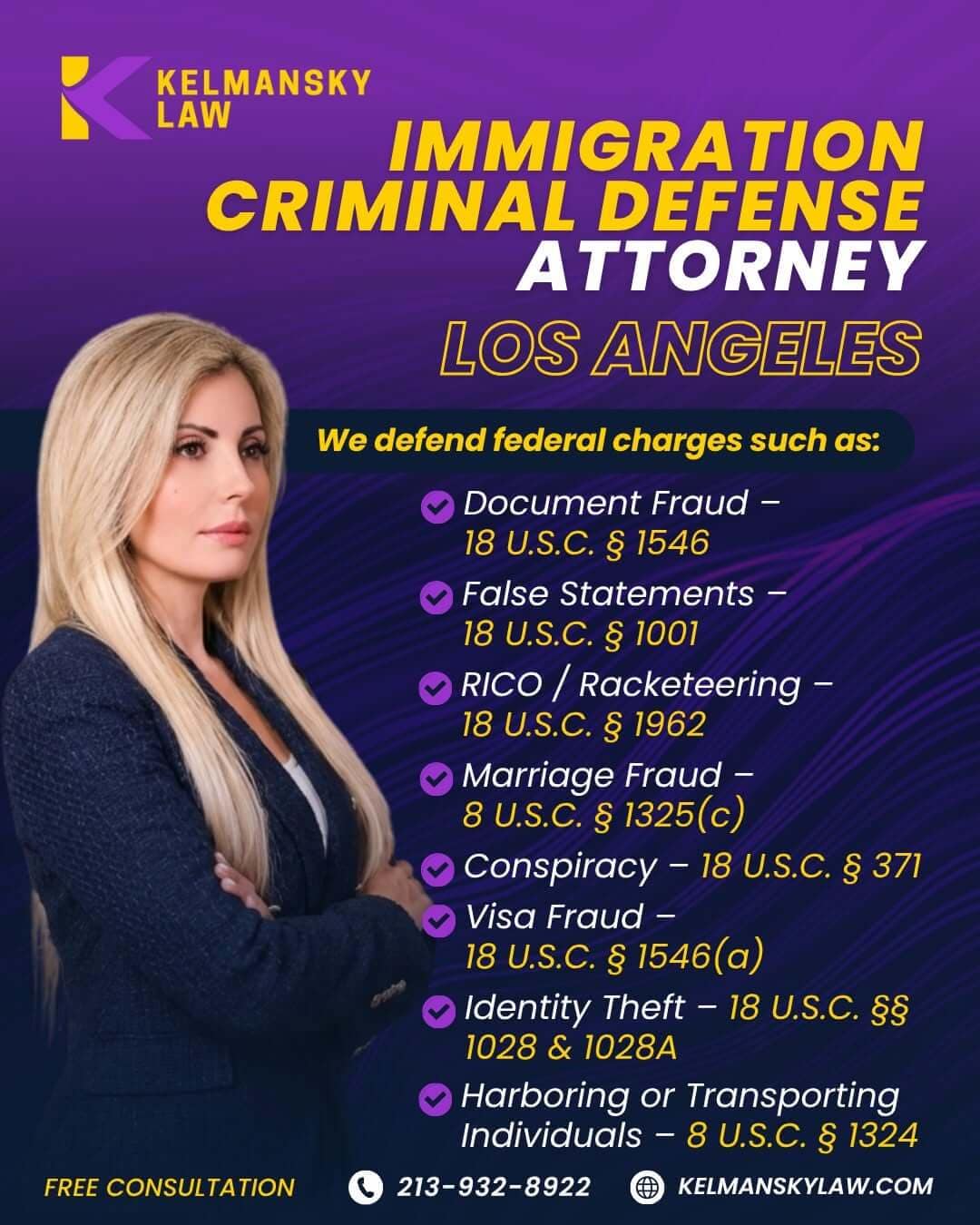
Why Russian-Speaking Legal Representation Matters After an Arrest
Facing criminal charges while managing immigration status creates pressure that intensifies when you cannot fully express yourself in English. Language barriers transform already stressful legal situations into overwhelming crises where misunderstandings carry life-altering consequences.
Clear Communication in Your Native Language During Crisis
Children, detained immigrants, and those with limited English proficiency face even greater disadvantages without proper legal counsel. Effective attorney-client communication stands central to competent legal practice. When criminal and immigration law converge, you need an attorney who speaks Russian fluently to understand the nuances of your situation, explain complex legal concepts, and ensure nothing gets lost in translation.
Russian-speaking attorneys eliminate the risks inherent in working through interpreters. Family members or friends often serve as interpreters but may counsel clients rather than accurately conveying statements, creating substantial risks when personal interests affect interpretation accuracy. Professional interpretation adds another layer between you and your attorney, slowing response times during time-sensitive situations.
Understanding Both California Criminal Law and Federal Immigration Law
Attorneys specializing in both criminal defense and immigration law provide integrated representation that addresses parallel proceedings simultaneously. California state criminal procedures differ from federal immigration standards, and outcomes in one system directly affect the other. A Russian-speaking attorney fluent in both areas anticipates how plea negotiations or sentencing alternatives impact your immigration status before signing any agreements.
Cultural Context and Trust in the Attorney-Client Relationship
Cultural competency produces measurable results. Attorneys demonstrating cultural competence secured 35% higher dismissal rates in cases involving minority clients. Culture shapes how clients perceive authority figures and whether they share critical case details. Russian-speaking clients from countries where law enforcement represents threat rather than protection may withhold information from attorneys they cannot fully trust.
Cultural differences affect communication patterns beyond language. What appears as evasiveness or guilt may reflect cultural norms about showing respect to authority. Russian-speaking attorneys recognize these patterns and adjust their approach accordingly, building trust that encourages clients to provide complete, accurate information essential to mounting effective defenses.
Direct Access to Your Attorney Without Language Barriers
Lawyers bear responsibility for ensuring effective communication when language barriers exist. Direct communication with a Russian-speaking attorney means immediate understanding during consultations, court appearances, and emergency situations. You receive legal advice in real time without waiting for interpretation, ask questions without hesitation, and fully comprehend the immigration consequences of every decision before making it.
Immediate Steps to Protect Your Immigration Status After Arrest
Your first action after arrest should happen without delay: request an attorney and exercise your right to remain silent.
Contact an Attorney Before Speaking to Law Enforcement
You have the constitutional right to talk to a lawyer before answering questions, whether or not police tell you about that right. Once you say that you want to talk to a lawyer, officers should stop asking you questions. Anything you say to law enforcement or ICE could be used against you, and providing information such as your immigration status or country of origin could affect your immigration case. Do not sign any document from ICE. If you are arrested, you have the right to make a local phone call, and officers cannot monitor calls to your attorney.
Inform Your Criminal Defense Lawyer About Your Immigration Status
In the first place, tell your criminal defense attorney immediately that you are not a U.S. citizen. Your attorney needs this information to properly evaluate how case outcomes affect your future in the United States. When your immigration status is at stake, criminal defense requires more than simply trying to avoid jail time. The earlier potential immigration issues are identified, the more opportunities your defense team may have to protect your future.
Request Immigration Consequence Analysis Before Any Plea Deal
Your criminal defense attorney must consult with an experienced immigration attorney to provide you with specific consequences of a particular conviction. General warnings about possible deportation are not a substitute for an individualized analysis. Before accepting a plea bargain, a non-citizen should have the exact charge, statutory subsection, plea language, sentence, immigration history, and future immigration goals reviewed together. A plea to one offense instead of another may result in substantially different immigration consequences, as the wording of the conviction, the statute involved, and the sentence can all matter.
Avoid Traveling Outside the United States During Pending Charges
A green card holder who leaves the United States while a criminal case is pending may return in a different legal posture. Instead of being treated as a returning resident, the person may be treated as an applicant for admission and face inadmissibility-based removal proceedings. A green card holder with a criminal issue may be referred to secondary inspection when returning to the United States. Obtain immigration advice before leaving the United States. A permanent resident considering international travel after an arrest or plea should obtain immigration advice before leaving the United States.
Document Your Ties to the United States and Family Circumstances
Tell the agent if you are the parent or primary caregiver of a child or adult with disabilities who is a U.S. citizen or green card holder. Tell them if you are pregnant or have a disability, illness, or health condition. If you get a bond hearing, show the judge proof of your ties to your community, such as work, school, and volunteer records, and letters of support from family and community members about your good character. If you have lived in the U.S. for at least 2 years, tell an officer and show them proof of your living here, as this can protect you from fast-track deportation.
Defense Strategies and Relief Options for Non-Citizens Facing Criminal Charges
Strategic defense in criminal and immigration law requires coordinated action across multiple legal forums and timelines.
Pre-Plea Negotiation to Avoid Deportable Convictions
Negotiating immigration-safe plea bargains prevents deportation triggers before conviction occurs. Defense attorneys achieve this through charge substitution (pleading to non-deportable statutory alternatives), sentence length capping at 364 days or less to avoid aggravated felony classification, and eliminating specific elements involving controlled substance references or fraud value thresholds exceeding $10,000. California law requires prosecutors to consider immigration consequences during plea negotiations.
Post-Conviction Relief and Vacating Guilty Pleas Under Padilla
Noncitizens can petition courts to vacate past guilty pleas when attorneys failed to warn about deportation consequences. Vacating a conviction requires establishing ineffective assistance of counsel and proving prejudice (that proper advice would have changed the plea decision). The vacatur must be based on substantive or procedural defects, not purely rehabilitative purposes.
Alternative Sentencing and Diversion Programs
Pretrial diversion programs allow defendants to complete treatment without entering guilty pleas, resulting in full dismissal that does not count as a conviction for immigration purposes. Successful diversion completion typically occurs within 12-18 months.
Removal Defense Proceedings in Immigration Court
Cancelation of removal requires ten years of continuous U.S. presence, good moral character, and proof that removal would cause exceptional and extremely unusual hardship to qualifying relatives. Lawful permanent residents qualify with five years of permanent residence and seven years of continuous presence, unless convicted of an aggravated felony.
Waivers and Forms of Relief from Deportation
Section 212(h) waivers address criminal inadmissibility grounds but cannot waive drug convictions except single possession of 30 grams or less of marijuana. Waivers require establishing extreme hardship to qualifying relatives.
Need An Attorney?
Criminal arrests create immediate risks to your immigration status, but taking swift action can protect your right to remain in the United States. The intersection of criminal and immigration law demands specialized knowledge and clear communication in your native language. When you work with a Russian-speaking attorney who understands both California criminal procedures and federal immigration standards, you gain an advocate who can navigate both systems simultaneously.
Contact a qualified Russian-speaking immigration and criminal defense attorney immediately after any arrest. Exercise your right to remain silent, refuse to sign documents without legal counsel, and request a detailed immigration consequence analysis before accepting any plea agreement. Your future in America depends on decisions made within hours of arrest, so acting quickly gives you the best chance of preserving your legal status.
Need a Criminal Defense Attorney? CALL NOW: 213-932-8922
Yuliya Kelmansky is an Expert Criminal Defense Attorney who has over 10 years of practice defending a variety of criminal cases.