

Motion to Allow Remote Testimony in California
California courts have increasingly adopted remote appearance procedures, allowing parties and witnesses to participate in certain proceedings through video technology. Although the COVID-19 pandemic accelerated the use of courtroom technology, California has since developed permanent rules governing when and how remote appearances may occur. This article explains the legal authority for remote testimony, the steps required to request remote participation, and the factors courts consider when deciding whether to permit it.
Understanding Remote Testimony
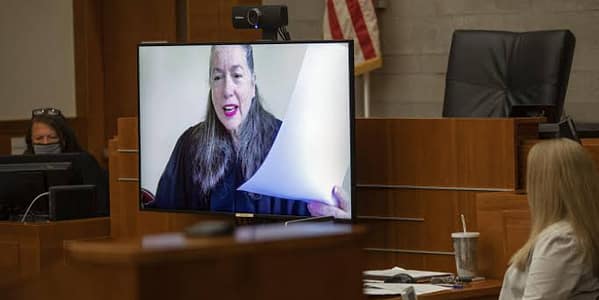
Remote testimony allows witnesses to provide sworn testimony from outside the courtroom through approved video conferencing technology. This procedure can reduce logistical barriers, particularly when travel, health concerns, or scheduling conflicts make in-person appearances difficult.
Legal Framework
The foundation for remote testimony in California is primarily established through the Code of Civil Procedure (CCP) Section 367.75 and the California Rules of Court (CRC) Rule 3.672. These regulations outline the conditions under which parties may appear remotely and the procedures that must be followed.
-
CCP Section 367.75: This statute grants parties the right to appear remotely in civil proceedings, provided they notify the court and all other parties involved. It emphasizes that remote appearances are a right, not a privilege, thereby limiting the court’s discretion to deny such requests.
-
CRC Rule 3.672: This rule provides the procedural guidelines for remote appearances, including notice requirements, technology standards, and the court’s authority to mandate in-person appearances under specific circumstances.
Types of Hearings
Remote testimony can be utilized in various types of hearings, including:
-
Evidentiary Hearings: These involve the presentation of evidence and witness testimony. Courts may permit remote participation but may require in-person attendance when circumstances justify it.
-
Non-Evidentiary Hearings: These typically do not involve witness testimony and may include motions, status conferences, and case management discussions. The notice period for remote appearances is shorter for these types of hearings.
The Motion Process
Filing a motion to allow remote testimony involves several key steps that litigants must follow to ensure compliance with California’s legal requirements.
Step 1: Notice of Intent
Before a party can appear remotely, they must file a Notice of Remote Appearance (Form RA-010) with the court. This notice must be served on all other parties involved in the case. The notice should include:
- The date and time of the hearing.
- The specific type of proceeding.
- The names of all individuals who will appear remotely.
Step 2: Timing Requirements
The timing for filing the notice varies depending on the type of hearing:
- Evidentiary Hearings: A minimum of 10 court days’ notice is required.
- Non-Evidentiary Hearings: A minimum of 2 court days’ notice is sufficient, or it can be filed with the moving papers if applicable.
Step 3: Court’s Discretion
While the law favors remote appearances, the court retains the authority to require in-person attendance under certain conditions. These may include:
- Inadequate technology to facilitate a remote appearance.
- Concerns that evaluating witness credibility or demeanor may be affected by remote testimony.
- Any other factors the court deems relevant to the case.
Preparing for Remote Testimony
Once remote participation is permitted, participants should prepare to ensure the proceeding runs smoothly. This preparation includes ensuring that all technological requirements are met and that participants are familiar with the remote platform being used.
Technology Requirements
Remote technology must allow participants to communicate clearly through real-time audio and video. Courts typically require:
- A stable internet connection.
- A functioning camera and microphone.
- Access to the designated video conferencing platform (e.g., Zoom, Microsoft Teams).
Pre-Hearing Checklist
To ensure a smooth remote hearing, participants should consider the following:
- Test the technology in advance to troubleshoot any issues.
- Choose a quiet, well-lit location for the appearance.
- Have all necessary documents readily accessible for reference during the hearing.
The Role of Attorneys
Attorneys play a crucial role in facilitating remote testimony. They must ensure that their clients understand the process and are adequately prepared for the hearing.
Client Education
Attorneys should educate their clients about the remote testimony process, including:
- What to expect during the hearing.
- How to present themselves professionally on camera.
- The importance of adhering to courtroom decorum, even in a virtual setting.
Advocacy
During the remote hearing, attorneys must advocate effectively for their clients, ensuring that all evidence is presented clearly and that any objections or concerns are addressed promptly.
Challenges and Considerations
While remote testimony offers numerous benefits, it also presents unique challenges that litigants must navigate.
Technical Difficulties
Technical issues can arise during remote hearings, potentially disrupting the proceedings. Common challenges include:
- Poor audio or video quality.
- Connectivity issues that may cause delays or interruptions.
- Difficulty in sharing documents or evidence electronically.
Legal Implications
Litigants must be aware of the legal implications of remote testimony, particularly regarding the admissibility of evidence and the potential for challenges from opposing parties. Attorneys should be prepared to address any objections related to the remote format.
Need An Attorney?
The motion to allow remote testimony in California represents a significant advancement in the legal process, providing greater accessibility and flexibility for litigants. By understanding the legal framework, procedural requirements, and practical considerations, parties can effectively navigate remote hearings and ensure their voices are heard in the courtroom.
As the legal landscape continues to evolve, staying informed about the latest developments in remote testimony will be essential for attorneys and clients alike. The continued use of courtroom technology may improve access to proceedings while requiring courts and litigants to address new procedural challenges.
References
[1] – https://leginfo.legislature.ca.gov/faces/codes_displaySection.xhtml?sectionNum=367.75.&lawCode=CCP
[2] – https://courts.ca.gov/cms/rules/index/three/rule3_672
[3] – https://selfhelp.courts.ca.gov/jcc-form/RA-010
[4] – https://selfhelp.courts.ca.gov/remote-court-hearings
[5] – https://www.ncsc.org/consulting-and-research/areas-of-expertise/technology/remote-hearings
Need a Criminal Defense Attorney? CALL NOW: 213-932-8922
Yuliya Kelmansky is an Expert Criminal Defense Attorney who has over 10 years of practice defending a variety of criminal cases.