


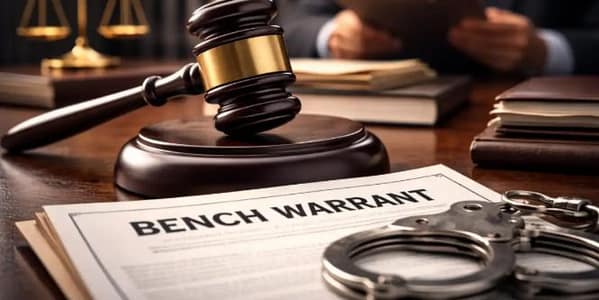
California Motion to Recall a Bench Warrant: Process, Requirements, and Outcomes
Facing a bench warrant in California can create serious legal consequences, especially if the written order was issued after you missed a court appearance or failed to comply with a court order. In California, an active bench warrant may expose you to arrest and should be addressed as soon as possible. This guide explains how bench warrants are issued, how to request a recall, what factors judges consider, and how an attorney may help protect your rights.
Understanding Bench Warrants
What is a Bench Warrant?
A bench warrant is a court order authorizing law enforcement to arrest a person who has failed to appear in court, failed to comply with court requirements, or otherwise violated a court order.Unlike traditional arrest warrants, which generally require probable cause that a crime occurred, bench warrants are typically issued because of a person’s failure to appear or comply with a court requirement. A bench warrant generally remains active until the court recalls it or law enforcement executes it, meaning a person may be subject to arrest during a police contact.
Common Reasons for Issuance
Bench warrants are typically issued for several reasons, including:
- Failure to Appear (FTA): Missing a scheduled court date for a hearing, arraignment, or trial.
- Non-compliance with Court Orders: This can include failing to pay fines, complete mandated programs, or adhere to probation conditions.
- Traffic Violations: Failing to respond to a traffic citation or appear as required by the court may result in a bench warrant.
Identifying why the court issued the warrant is an important first step in determining the appropriate strategy for requesting recall.
The Recall Process
Steps to Recall a Bench Warrant
The process for recalling a bench warrant depends on the reason it was issued and the specific circumstances of the case. Here’s a breakdown of the process:
- Consult an Attorney: Consulting an experienced criminal defense attorney can help you understand your options and prepare the appropriate request for the court.
- Gather Documentation: Gather documents that may support your request, including proof that you completed court requirements or evidence explaining why you failed to appear.
- File a Motion: Your attorney will file a motion to recall the warrant with the court that issued it. This motion should include a compelling argument for why it should be quashed.
- Court Appearance: In some misdemeanor matters, an attorney may be permitted to appear on a defendant’s behalf. Felony cases often involve stricter appearance requirements, depending on the circumstances.
Importance of Legal Representation
An experienced attorney can help present the circumstances surrounding the warrant and advocate for a favorable resolution.. They understand the nuances of the law and can present your case effectively, which may improve your ability to present a strong request to the court.
Potential Outcomes of the Recall Motion
What Happens After Filing?
Once the motion to recall the bench warrant is filed, the court will schedule a hearing. During this hearing, the judge will consider the arguments presented and any supporting documentation. Possible outcomes include:
- Warrant Recall: If the judge is satisfied with your explanation and supporting evidence, they may recall the warrant, allowing you to move forward without the threat of arrest.
- Warrant Upheld: If the judge finds insufficient grounds for recall, the warrant will remain active, and you may face arrest if contacted by law enforcement.
- Additional Conditions: In some cases, the judge may impose additional conditions, such as requiring you to complete certain programs or pay outstanding fines.
Consequences of Ignoring a Bench Warrant
Legal and Personal Implications
Failing to address a bench warrant can lead to serious consequences, including:
- Arrest: Law enforcement may arrest a person with an active bench warrant during a police encounter, including certain traffic stops or investigations.
- Increased Penalties: Ignoring a warrant can lead to additional charges, fines, or even jail time.
- Impact on Employment: A bench warrant can show up on background checks, potentially affecting your job prospects and professional reputation.
The Role of the Court
Understanding Court Procedures
California courts take bench warrants seriously. They are designed to ensure compliance with court orders and maintain the integrity of the judicial system. When a bench warrant is issued, it is entered into law enforcement databases, making it accessible to police officers statewide.
The Judge’s Discretion
Judges have significant discretion when it comes to recalling bench warrants. They will consider factors such as your history of compliance, the reason for the missed appearance, and any supporting documentation. A strong case presented by your attorney can make a substantial difference in the judge’s decision.
Best Practices for Handling a Bench Warrant
Proactive Measures
If you suspect that a bench warrant has been issued against you, taking proactive steps can mitigate potential consequences:
- Do Not Ignore the Warrant: Addressing the issue head-on is crucial. Ignoring it will only exacerbate the situation.
- Seek Legal Counsel: An attorney can help you navigate the complexities of the legal system and represent your interests effectively.
- Prepare for Court: If you need to appear in court, ensure you have all necessary documentation and a clear understanding of your case.
Creating a Safety Plan
If you are concerned about being arrested, consider creating a safety plan. This may include:
- Identifying safe locations to go if law enforcement contacts you.
- Keeping important documents and emergency funds accessible.
- Informing trusted friends or family members about your situation.
Conclusion
Recalling a bench warrant in California is a critical process that requires careful attention and legal guidance. Understanding the implications of a bench warrant, the steps involved in the recall process, and the importance of legal representation can significantly impact your situation. If you discover that a bench warrant has been issued, consulting a qualified criminal defense attorney can help you understand your options and determine the next steps.
For more information or to discuss your specific situation, consider reaching out to a qualified attorney who can provide personalized guidance and support. Remember, addressing a bench warrant promptly can help you avoid further legal complications and regain peace of mind.
References
[1] – https://leginfo.legislature.ca.gov/faces/codes_displayText.xhtml?division=2.&part=2.&title=6.&chapter=6.&article=2
[2] – https://selfhelp.courts.ca.gov/criminal-law
[3] – https://www2.courtinfo.ca.gov/cjer/documents/ccti-criminal.pdf
[4] – https://courts.ca.gov/cms/rules/index/four/rule4_106
Need a Criminal Defense Attorney? CALL NOW: 213-932-8922
Yuliya Kelmansky is an Expert Criminal Defense Attorney who has over 10 years of practice defending a variety of criminal cases.