


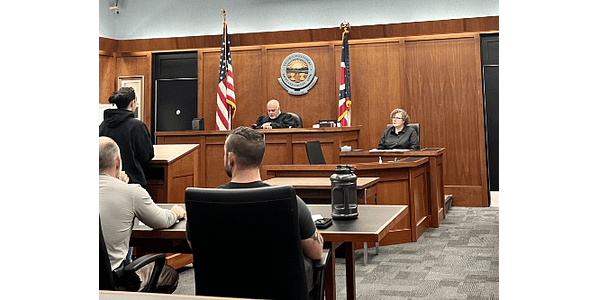
Can California Prosecutors Use Prior Convictions Against You?
In California criminal trials, prior convictions used to impeach a witness’s credibility can dramatically affect the verdict and sentencing. In California, the legal framework surrounding this issue is complex and nuanced, particularly when it comes to motions aimed at excluding such evidence. Understanding the intricacies of these motions is crucial for defendants and their legal representatives. This article delves into the essential aspects of filing a motion to exclude prior convictions for impeachment, the relevant legal standards, and the strategic considerations involved.
Understanding Impeachment and Prior Convictions
What is Impeachment?
Impeachment refers to the process of challenging the credibility of a witness in court. This can be achieved through various means, including presenting evidence of prior convictions. The rationale behind this practice is that a witness’s past behavior, particularly criminal behavior, may reflect on their truthfulness and reliability.
The Role of Prior Convictions
In California, prior convictions can be introduced as evidence to impeach a witness’s credibility under certain conditions. However, not all convictions are admissible. The law distinguishes between felonies and misdemeanors, with different implications for each type of conviction. Understanding these distinctions is vital for crafting an effective motion to exclude such evidence.
Legal Standards Governing the Use of Prior Convictions
California Evidence Code Section 788
California Evidence Code § 788 is the primary statute governing the use of prior felony convictions to impeach a witness’s credibility. This statute allows for the introduction of prior felony convictions to challenge a witness’s credibility, provided that the conviction is relevant and not overly prejudicial.
Felonies vs. Misdemeanors
- Felonies: Generally, felony convictions are more likely to be admissible for impeachment. However, the court must weigh the probative value of the conviction against its potential prejudicial impact on the jury.
- Misdemeanors: Misdemeanor convictions, particularly those involving moral turpitude, may also be admissible, but the rules are more restrictive. The court often requires a more compelling justification for their inclusion.
Filing a Motion to Exclude Prior Convictions
Grounds for Exclusion
When filing a motion to exclude prior convictions, it is essential to establish clear grounds for the request. Common arguments include:
- Relevance: The prior conviction may not be relevant to the witness’s credibility in the current case.
- Prejudice: The potential for unfair prejudice may outweigh the probative value of the conviction.
- Remoteness: If the conviction occurred a significant time ago, it may be deemed too remote to be relevant.
Procedural Considerations
Filing a motion to exclude prior convictions involves several procedural steps:
- Drafting the Motion: The motion must be carefully drafted, outlining the legal basis for exclusion and supporting arguments.
- Notice to Opposing Counsel: The party filing the motion must provide notice to the opposing counsel, allowing them the opportunity to respond.
- Hearing: A hearing may be scheduled where both parties can present their arguments. The judge will then make a ruling based on the evidence and legal standards.
The Impact of Prior Convictions on Jury Perception
Psychological Factors
Introducing prior convictions can strongly influence how jurors perceive a witness, often creating unfair bias unrelated to the current charges. Jurors may unconsciously allow their biases to influence their judgment, leading to a presumption of guilt based on past behavior rather than the evidence presented in the current case.
Strategies for Mitigating Impact
To mitigate the potential negative impact of prior convictions, attorneys can employ several strategies:
- Limiting Scope: Requesting that the court limit the scope of the prior conviction evidence to specific issues can help reduce its prejudicial effect.
- Jury Instructions: Advocating for clear jury instructions that emphasize the limited purpose of the prior conviction can help jurors focus on the relevant issues.
Case Law and Precedents
Notable Cases
Several key cases have shaped the legal landscape regarding the use of prior convictions for impeachment in California. Understanding these precedents can provide valuable insights into how courts may rule on similar motions:
- People v. Collins: This case established that prior convictions must involve moral turpitude to be admissible for impeachment.
- People v. Castro: The court emphasized the need for a careful balancing test between probative value and prejudicial impact.
Implications for Future Cases
The evolving case law surrounding the use of prior convictions underscores the importance of staying informed about recent rulings and trends. Legal practitioners must continually adapt their strategies based on the latest developments in this area.
Need An Attorney?
Filing a motion to exclude prior convictions for impeachment in California is a critical aspect of criminal defense. By mastering the legal standards, procedural rules, and psychological impact of prior convictions, defense attorneys can effectively protect their clients’ right to a fair trial. The stakes are high, and the ability to navigate this complex legal terrain can significantly impact the outcome of a case. For those facing the challenges of prior convictions, seeking experienced legal counsel is essential to ensure that their rights are protected and that they receive a fair trial.
References
[1] – https://leginfo.legislature.ca.gov/faces/codes_displaySection.xhtml?lawCode=EVID§ionNum=788
[2] – https://scocal.stanford.edu/opinion/people-v-castro-23428
[3] – https://scocal.stanford.edu/opinion/people-v-collins-30281
Need a Criminal Defense Attorney? CALL NOW: 213-932-8922
Yuliya Kelmansky is an Expert Criminal Defense Attorney who has over 10 years of practice defending a variety of criminal cases.