


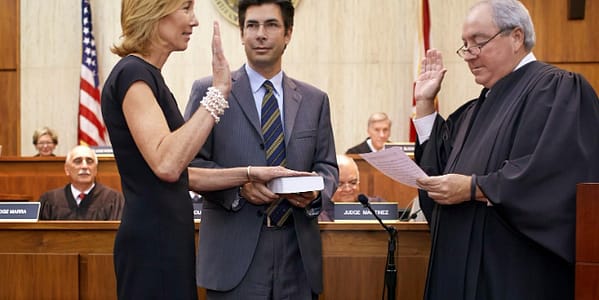
Understanding the Motion to Compel Witness Attendance in California
Compelling witness attendance is a key part of discovery in California civil litigation. The process is governed primarily by the California Code of Civil Procedure (CCP). A motion to compel may provide a way to seek a court order when a deponent fails to appear or otherwise fails to comply with applicable deposition requirements. This article explains the basic requirements, procedures, and practical considerations involved in seeking an order compelling deposition attendance.
Understanding the Motion to Compel
What is a Motion to Compel?
A motion to compel is a formal request made to the court, asking it to order a party or witness to comply with a discovery request. This can include compelling attendance at a deposition, producing documents, or providing answers to interrogatories. In California, the relevant statutes governing these motions are found in the CCP, particularly sections 2025.450 and 2025.410.
When to File a Motion to Compel
Filing a motion to compel is appropriate when a party has failed to respond to a discovery request or has provided insufficient responses. Common scenarios include:
- A witness fails to appear for a scheduled deposition.
- A party does not produce requested documents.
- Responses to interrogatories are incomplete or evasive.
Before filing, it is essential to attempt to resolve the issue informally through a "meet and confer" process, as required by the CCP.
The Legal Framework
Relevant Statutes
The California Code of Civil Procedure provides the legal basis for motions to compel. Key sections include:
- CCP 2025.450: Outlines the procedure for compelling attendance and testimony from a deponent who fails to comply with a deposition notice.
- CCP 2025.410: Details the process for objecting to a deposition notice and the grounds for such objections.
Good Cause Requirement
When filing a motion to compel, the moving party must demonstrate "good cause" for the request. This means providing specific facts that justify the need for the witness’s attendance or the production of documents. The court will evaluate whether the requested information is relevant and necessary for the case.
The Motion Process
Preparing the Motion
-
Drafting the Motion: The motion should clearly outline the reasons for the request, including relevant facts and legal arguments. It must also include a declaration stating that the moving party has attempted to resolve the issue informally.
-
Filing the Motion: Once prepared, the motion must be filed with the appropriate court. This includes submitting all necessary documents, such as the notice of motion, supporting declarations, and any exhibits.
-
Serving the Motion: The moving papers must be served on the parties as required by the applicable rules, giving the opposing parties an opportunity to respond.
Court Hearing
After filing, a hearing will be scheduled. During this hearing, both parties can present their arguments. The court will consider the evidence and make a ruling on whether to grant the motion to compel.
Consequences of Non-Compliance
Sanctions for Non-Compliance
A failure to comply with a discovery order may subject the noncompliant party to sanctions authorized by California’s Discovery Act and applicable court rules. These can include:
- Monetary Sanctions: The court may order the non-compliant party to pay the reasonable expenses incurred by the moving party in bringing the motion.
- Issue Sanctions: The court may establish certain facts as true, which can significantly impact the case.
- Evidence Sanctions: The court may exclude certain evidence from being presented at trial.
Importance of Compliance
Compliance with discovery requests is crucial for the integrity of the legal process. Non-compliance can lead to delays, increased costs, and unfavorable outcomes for the non-compliant party.
Practical Considerations
Best Practices for Filing a Motion to Compel
- Document Everything: Keep detailed records of all communications related to the discovery request, including attempts to resolve the issue informally.
- Be Specific: Clearly articulate the reasons for the motion and the relevance of the requested information.
- Follow Court Rules: Adhere to all local court rules regarding formatting, filing, and serving motions.
Engaging Legal Counsel
Given the complexities involved in filing a motion to compel, it is often beneficial to engage legal counsel. An experienced attorney can provide guidance on the process, help draft the motion, and represent the party in court.
Need An Attorney?
Seeking an order compelling deposition attendance in California requires attention to the applicable statutes, court rules, filing requirements, and deadlines. When the applicable requirements are satisfied, a motion to compel can provide a mechanism for seeking the deposition testimony or other discovery required to advance the case. Understanding the applicable procedures can help litigants identify the appropriate relief and avoid unnecessary procedural problems.
Because the appropriate procedure depends on the circumstances, parties with questions about a potential motion to compel may wish to consult a qualified California civil litigation attorney. They can provide tailored advice and representation to help you navigate the complexities of the legal system.
References
[1] – https://leginfo.legislature.ca.gov/faces/codes_displaySection.xhtml?lawCode=CCP§ionNum=2025.450.
[2] – https://leginfo.legislature.ca.gov/faces/codes_displaySection.xhtml?lawCode=CCP§ionNum=2026.010.
[3] – https://courts.ca.gov/cms/rules/index/three/rule3_1345
[4] – https://www.americanbar.org/groups/litigation/resources/litigation-news/2022/third-party-discovery-getting-what-you-need/
[5] – https://law.stanford.edu/wp-content/uploads/2015/04/Locating_the_Law_complete_5th_edition_2011.pdf
[6] – https://www.law.berkeley.edu/files/Cal._Code_Civ._Proc._1085.pdf
Need a Criminal Defense Attorney? CALL NOW: 213-932-8922
Yuliya Kelmansky is an Expert Criminal Defense Attorney who has over 10 years of practice defending a variety of criminal cases.