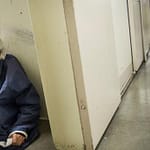



Elderly Abuse? What California Courts Look for in Neglect Cases
Elderly abuse cases in California often hinge on a critical question: was the harm caused by intentional neglect or caregiver burnout? California courts must differentiate between criminal conduct and the unfortunate reality of overwhelmed staff in care facilities. This distinction carries serious legal consequences for both facilities and individual caregivers. Understanding what courts look for when evaluating neglect claims can help families recognize when poor care crosses into actionable abuse. This article examines how California law defines elder neglect, what evidence strengthens these cases, and the legal penalties when neglect is proven.
How California Law Defines Elder Neglect
California's statutory framework establishes neglect as a specific legal category distinct from ordinary lapses in care. The state recognizes that elderly individuals and dependent adults face unique vulnerabilities that demand heightened protection under law.
What Qualifies as Neglect Under California Law
California Welfare and Institutions Code § 15610.57 defines neglect as the negligent failure of any person having care or custody of an elder to exercise that degree of care that a reasonable person in a similar position would exercise. This standard applies broadly to anyone responsible for an elderly person's wellbeing, whether family members, professional caregivers, or facility staff.
The statute identifies specific conduct that constitutes neglect. Failure to assist in personal hygiene or in the provision of food, clothing, or shelter qualifies as neglect. Similarly, failing to provide medical care for physical and mental health needs meets the statutory threshold. Caregivers must also protect elders from health and safety hazards and prevent malnutrition or dehydration.
Civil law extends the definition further. Abuse encompasses the deprivation by a care custodian of goods or services necessary to avoid physical harm or mental suffering [1]. This provision captures situations where caregivers withhold resources rather than merely failing to act. The Legislature acknowledged that many at-risk elders suffer physical impairments and poor health that place them in dependent and vulnerable positions [1].
The Difference Between Neglect and Standard Negligence
The distinction between neglect and standard negligence centers on the relationship between parties and the nature of the duty owed. Standard negligence applies when someone breaches a general duty of reasonable care. Elder neglect requires a custodial or caregiving relationship and involves the failure to exercise the degree of care expected from someone in that specific position.
Courts examine whether the person had direct care or custody of the elder when determining if neglect occurred rather than simple negligence. A care custodian who fails to provide necessary goods or services commits neglect, not mere negligence. This elevated standard reflects California's recognition that caregivers occupy positions of trust and control over vulnerable individuals.
The Legislature stated plainly that those entrusted with elder care face a higher standard and suffer greater penalties when they violate it. Whether embezzling money or failing to provide a clean and safe environment, those who neglect or willfully abuse elderly individuals face stiff penalties.
When Caregiver Actions Cross the Legal Line
Conduct crosses from neglect into criminal territory when willfulness or recklessness enters the equation. Penal Code § 368 establishes criminal liability for anyone who willfully causes or permits an elder to suffer unjustifiable physical pain or mental suffering [1]. The statute distinguishes between circumstances likely to produce great bodily harm or death and those not likely to produce such severe outcomes.
Under circumstances likely to cause great bodily harm or death, violations carry felony penalties of two, three, or four years in state prison [1]. If the victim suffers great bodily injury, courts add three years for victims under 70 or five years for victims 70 or older [1]. When a defendant causes death, penalties increase by five years for victims under 70 or seven years for victims 70 or older [1].
Less severe circumstances still carry criminal consequences. Willfully causing an elder to suffer under conditions not likely to produce great bodily harm results in misdemeanor charges with six months in county jail and a fine of up to $1,000 [1]. The Legislature recognized that factors contributing to abuse include economic instability, resentment of caretaker responsibilities, stress on caregivers, and substance abuse [1]. Yet these factors do not excuse conduct that crosses into willful harm or reckless disregard for elder safety.
Understanding Caregiver Burnout and Its Warning Signs
Caregiver stress affects a substantial portion of those providing care, with more than 60% of caregivers experiencing burnout symptoms. This exhaustion stems from emotional and physical strain that builds over time as caregiving responsibilities accumulate without adequate relief. Caregivers report significantly higher stress levels than people who are not caregivers.
Common Causes of Caregiver Burnout
Role overload stands as a primary driver of burnout. Caregivers often feel responsible for everything without asking for help. The emotional toll of watching a loved one struggle with a chronic or terminal condition leads to prolonged emotional exhaustion. Financial stressors intensify the burden, with the highest fatigue levels observed among caregivers facing severe financial strain [2].
Inadequate preparation for caregiving responsibilities represents a leading risk factor. Lack of training and education contributes to feelings of frustration and anger. Unfamiliarity with caregiving tasks associates directly with fatigue, underscoring how inexperience contributes to exhaustion [2]. When caregivers lack knowledge or experience in providing care, they face increased stress and anxiety that lead to emotional and physical exhaustion [2].
Conflicting demands create additional pressure. Care receivers have needs, spouses have needs, children have needs, and employers have expectations. Meeting everyone's needs creates conflict and stress that wears caregivers down over time. Ambiguity of roles prevents caregivers from knowing exactly what their responsibilities entail in relation to others.
Professional caregivers in facilities face distinct pressures. Understaffed or poorly managed facilities place caregivers at higher risk of developing burnout, as do excessively high workloads. Informal family caregivers reported greater emotional exhaustion, depersonalization, and reduced personal accomplishment compared to professional caregivers [3].
How Burnout Manifests in Care Settings
Physical exhaustion manifests through fatigue, sleep disturbances, headaches, and weakened immunity [3]. Many caregivers experience chronic fatigue or tiredness that rest cannot overcome. Sleep deprivation affects 72% of caregivers who sacrifice rest due to demands of balancing personal responsibilities, caregiving, and work .
Emotional symptoms include irritability, anxiety, depression, feelings of helplessness, and resentment [3]. Depression affects a staggering 70% of caregivers . Women who are caregivers are more likely than men to develop symptoms of anxiety and depression. Female caregivers reported higher fatigue compared with men [2].
Behavioral changes signal advancing burnout. Caregivers withdraw socially, lose interest in activities, and experience changes in appetite or weight [3]. Some turn to unhealthy behaviors like smoking or drinking too much alcohol. Others may make mistakes when giving medicines. A striking 72% of caregivers report neglecting their own health by avoiding doctor visits, and 55% miss appointments altogether .
When Stress Becomes a Pattern of Harm
Burnout crosses into harmful territory when it affects care quality. Staff members struggling with burnout may make errors in judgment or decision-making ability that prove dangerous or fatal, such as medication or medical treatment errors. Burnout affects attention, causing caregivers to forget appointments, misplace medications, or miss changes in their partner's condition.
The financial impact reveals the severity. For members whose caregivers are depressed or fatigued, there is a 73% increase in emergency department utilization and an additional $1,937 in medical costs due to delayed or inadequate care . Emergency department visits were 23% higher among patients whose caregivers scored high for fatigue.
Chronic caregiver burnout places elderly individuals at risk of intentional or unintentional maltreatment. The demanding work of caregiving puts caregivers at risk of engaging in harmful behaviors toward their care recipients, including expressions of impatience and irritability, yelling, using physical force, or rough handling [3].
What California Courts Examine in Neglect Cases
Courts evaluate neglect claims by examining multiple factors that distinguish between unfortunate lapses and actionable harm. The analysis focuses on whether conduct reflects systemic failures or momentary oversights.
The Role of Intent and Recklessness
Prosecutors assess elder abuse cases based on four primary factors: the intent behind the act, the harm caused, the relationship between victim and abuser, and the prior conduct of the defendant. Recklessness involves more than inadvertence or incompetence. It rises to the level of a conscious choice of action with knowledge of the serious danger to others involved.
Courts distinguish between simple negligence and reckless conduct. A single oversight, like forgetting a medication dose once, may not rise to felony status. However, when facilities repeatedly ignore care plans or physician orders, the cumulative negligence may justify felony charges, especially if it results in death or serious injury. Recklessness refers to a subjective state of culpability greater than simple negligence, described as a deliberate disregard of the high degree of probability that an injury will occur.
Documentation and Care Plan Compliance
Care plans establish the baseline for expected conduct. Courts examine whether caregivers followed documented procedures and physician orders. Documentation of care plans, incident reports, and caregiver supervision helps establish negligence in elderly abuse cases. Strong neglect claims require systematic documentation of abuse incidents, agency policies, and caregiver training records.
Medical records establish the extent of physical injuries, medical complications, and other health consequences resulting from abuse or neglect. Agency employment records, background check documentation, and training files help establish whether proper screening and preparation occurred.
Staffing Levels and Resource Allocation
California law requires nursing homes to provide at least 3.5 nursing hours per resident day [4]. Courts examine whether facilities met this threshold when evaluating neglect claims. Higher nurse staffing levels are associated with fewer pressure ulcers, lower restraint use, decreased infections, lower pain, and lower mortality rates [4].
Inadequate staffing can be proved by identifying a specific staffing regulation the facility violated and showing a known pattern of violating the staffing regulation constituting recklessness. Most nursing homes do not provide sufficient staffing to ensure basic quality [4].
Pattern of Behavior vs. Isolated Incidents
Courts scrutinize whether harm resulted from an isolated incident or a pattern of conduct. A significant pattern of withholding care showing deliberate indifference establishes liability. Consequently, facilities demonstrating repeated violations face harsher scrutiny than those with single incidents.
Evidence That Strengthens or Weakens Neglect Claims
Building a successful neglect claim depends on assembling evidence that demonstrates both the harm suffered and the facility's responsibility. California courts weigh different types of proof with varying degrees of scrutiny.
Medical Records and Expert Testimony
Medical records provide chronological documentation of health status from admission forward. These documents include care plans, physician orders, therapy records, medication logs, incident reports about falls, nurses' notes, and diagnostic test results. Hospital emergency room records help prove patterns of neglect and abuse.
Courts look beyond the surface of medical records. The effective time and date stamped on entries often differs from the creation time showing when entries were actually made. Standard record production rarely includes data such as creation timestamps, edits, or deletions. Audit logs reveal whether staff concealed wrongdoing after the fact by editing or deleting information.
Expert witnesses explain complex medical issues and industry standards to juries. Elder abuse experts review medical records, financial documents, witness statements, and other evidence related to alleged abuse. These professionals assess deviations from caregiving standards by comparing records, policies, and staff actions to accepted medical and industry guidelines. Geriatricians, registered nurses, nursing home administrators, and forensic accountants frequently testify in these cases.
Witness Statements from Staff and Family
Eyewitnesses fill gaps between medical records, allegations, and facility statements. Family members testify about injuries observed during visits and changes noticed in their loved ones. Other residents and their visitors sometimes witness abuse or neglect directly.
Current and former staff make strong witnesses, particularly regarding systemic problems like understaffing, overworked employees, lack of training, and ignored complaints. Staff members who witnessed incidents provide firsthand accounts of unsafe conditions.
Facility Policies and Training Records
Facilities must provide staff training on identifying and preventing abuse, neglect, and exploitation. Training records establish whether staff received proper instruction. Staffing schedules and logs prove whether facilities met minimum staffing requirements. Background check documentation reveals if proper screening occurred before hiring.
How Courts Handle Missing or Destroyed Evidence
AB 251, enacted in late 2025, changed how courts treat destroyed evidence. When skilled nursing or residential care facilities destroy or conceal required records, courts may apply the preponderance of evidence standard rather than the stricter clear and convincing standard. This lower threshold applies when facilities destroy required records before retention periods end, alter care notes after injuries, or fail to produce expected documentation.
Legal Consequences When Neglect Is Proven
Proven neglect triggers consequences across civil, criminal, and regulatory domains. The severity of penalties reflects California's commitment to protecting vulnerable elders.
Civil Penalties Under EADACPA
The Elder Abuse and Dependent Adult Civil Protection Act permits victims to recover compensatory damages covering medical treatment, out-of-pocket expenses, lost assets, and emotional distress. Courts award punitive damages when harm involves fraud, malice, or reckless behavior. Victims may recover attorney's fees and court costs when serious neglect occurred. Noneconomic damages against health care providers collectively cannot exceed $390,000, increasing by $40,000 each January for ten years up to $750,000 [3].
Criminal Charges for Reckless Conduct
Misdemeanor elder abuse carries up to one year in county jail and fines up to $6,000. Felony elder abuse results in two, three, or four years in state prison, with an additional seven years if the victim suffers great bodily harm. Fines reach $10,000 for felonies. Mandated reporters who fail to report abuse face six months in jail and $1,000 fines, increasing to one year and $5,000 if failure results in death or great bodily injury [5].
Facility-Level Sanctions and License Actions
Facilities receiving two AA violations within two years face license suspension. AA violations represent the state's most serious citation for failures contributing significantly to patient deaths.
Need An Attorney?
Distinguishing between caregiver burnout and actionable neglect requires understanding what California courts scrutinize. While burnout affects many caregivers, it doesn't excuse systematic failures or reckless conduct that harms vulnerable elders. Courts examine intent, documentation patterns, staffing compliance, and whether harm stems from isolated incidents or deliberate indifference.
Families should watch for repeated violations, unexplained injuries, and facility documentation gaps. By all means, if you suspect your loved one suffers from neglect rather than mere understaffing, gather medical records, witness statements, and facility policies. California's legal framework provides substantial remedies when facilities cross from unfortunate lapses into harmful neglect.
References
[1] – https://oag.ca.gov/dmfea/laws/crim_elder
[2] – https://pmc.ncbi.nlm.nih.gov/articles/PMC12839997/
[3] – https://sjud.senate.ca.gov/system/files/2025-06/ab-251-kalra-sjud-analysis.pdf
[4] – https://pmc.ncbi.nlm.nih.gov/articles/PMC7328494/
[5] – https://canhr.org/recognizing-and-reporting-elder-abuse/
Need an Attorney? CALL NOW: 213-932-8922
Yuliya Kelmansky is an Expert Attorney who has over 10 years of practice defending a variety of cases.