


Understanding Early Termination of Probation in California
Navigating the complexities of probation in California can be daunting, especially when considering the possibility of modifying or terminating it early. This article provides a comprehensive overview of motions for early termination, including the filing process, eligibility requirements, and potential benefits.
What is Probation?
A court-ordered supervision is an alternative to incarceration that allows an individual to remain in the community under specific conditions. It is often granted for both misdemeanor and felony convictions, allowing individuals to avoid incarceration while still being held accountable for their actions.
Types of Probation
- Formal Probation: This involves regular check-ins with a probation officer and adherence to specific conditions set by the court.
- Informal Probation: Also known as summary probation, this type does not require regular supervision but still mandates compliance with certain conditions.
Conditions of Court-Ordered Supervision
Conditions may vary based on the nature of the offense, but often include:
- Regular meetings with a probation officer
- Community service
- Mandatory counseling or rehabilitation programs
- Restrictions on travel or firearm possession
The Motion for Early Termination
Under California Penal Code §1203.3, individuals under court supervision may petition the court for early termination. This motion allows eligible individuals to end their period of supervision before the original term expires, provided they meet specific criteria.
Eligibility for Early Termination
To qualify for early termination, individuals must demonstrate:
- Completion of Court-Ordered Conditions: All court-ordered requirements, including fines, community service, and counseling, must be fulfilled.
- Good Conduct: A clean record during the court supervision period, with no new offenses or violations.
- Time Served: Generally, individuals should have served at least half of their probation term before filing for early termination.
Reasons for Requesting Early Termination
Individuals may request early termination for several reasons, including:
- Employment Opportunities: Being on probation can hinder job prospects, as many employers conduct background checks.
- Personal Circumstances: Changes in life circumstances, such as relocation or family obligations, may necessitate an end to probation.
- Demonstrated Rehabilitation: Individuals who have shown significant personal growth and reform may seek to have their probation terminated early.
The Process of Filing a Motion
Filing a motion for early termination of probation involves several steps:
Step 1: Consult an Attorney
Engaging a knowledgeable attorney can significantly enhance the chances of a successful motion. An attorney can help assess eligibility, gather necessary documentation, and prepare a compelling argument for the court.
Step 2: Prepare the Motion
The motion should include:
- Notice of Motion: Informing the court and the prosecution of the request.
- Declaration: A statement outlining the reasons for the request and supporting evidence.
- Points and Authorities: Legal arguments supporting the motion.
Step 3: File the Motion
Once prepared, the motion must be filed with the court that imposed the probation. The court will then schedule a hearing to review the request.
Step 4: Notify the Prosecution
The prosecution must be notified of the motion, allowing them the opportunity to object. If they do, a hearing will be held where both parties can present their arguments.
Step 5: Attend the Hearing
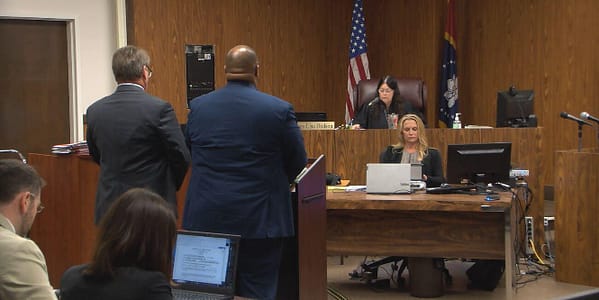
During the hearing, the judge will evaluate the evidence and arguments presented. If the judge finds sufficient grounds for early termination, they will grant the motion.
Potential Benefits of Early Termination
Successfully obtaining early termination of probation can lead to several advantages:
1. Freedom from Supervision
Individuals no longer need to report to a probation officer or adhere to probation conditions, allowing for greater personal freedom.
2. Improved Employment Prospects
With probation status removed, individuals may find it easier to secure employment, as many employers view it as a liability.
3. Restoration of Rights
Early termination can restore certain rights, such as the ability to own firearms or travel freely.
4. Expungement Opportunities
In many cases, early termination can be accompanied by the expungement of the underlying conviction, further clearing an individual’s record.
Challenges in the Process
While the process for early termination of probation can be straightforward, several challenges may arise:
1. Prosecutorial Opposition
The prosecution may oppose the motion, arguing against early termination based on the nature of the offense or the individual’s conduct during probation.
2. Judicial Discretion
Ultimately, the decision lies with the judge, who has broad discretion in determining whether to grant the motion. Factors such as the severity of the original offense and the individual’s history will be taken into consideration.
3. Documentation Requirements
Gathering the necessary documentation to support the motion can be time-consuming and may require assistance from legal professionals.
Need An Attorney?
Understanding the process of filing a motion for early termination of probation in California is crucial for individuals seeking to regain their freedom and move forward in life. By fulfilling the conditions and demonstrating good, effective navigation of the legal system, individuals can take significant steps toward a fresh start. Working with an experienced attorney can improve the likelihood of success by ensuring the motion is properly prepared and supported with persuasive evidence.
If you or someone you know is considering filing a motion for early termination of probation, it is essential to seek professional legal assistance to navigate this complex process effectively.
References
[1] – https://leginfo.legislature.ca.gov/faces/codes_displaySection.xhtml?lawCode=PEN§ionNum=1203.3
[2] – https://leginfo.legislature.ca.gov/faces/codes_displaySection.xhtml?lawCode=PEN§ionNum=1203.4
[3] – https://www.saccourt.ca.gov/civil/self-help-services/expungement.aspx
[4] – https://law.stanford.edu/three-strikes-project/
[5] – https://www.uscourts.gov/about-federal-courts/types-cases/criminal-cases
Need a Criminal Defense Attorney? CALL NOW: 213-932-8922
Yuliya Kelmansky is an Expert Criminal Defense Attorney who has over 10 years of practice defending a variety of criminal cases.