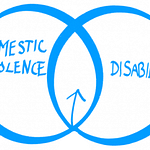



When Domestic Violence Becomes Elder Abuse
Elder abuse often begins long before someone reaches their senior years. Domestic violence patterns don't simply disappear with age; they frequently intensify when a victim becomes more vulnerable. California families face a challenging reality because the same abusive spouse, adult child, or caregiver who once engaged in domestic violence may continue targeting their elderly relative. You have legal protections available when this happens. Understanding how domestic violence transforms into elderly abuse, recognizing the warning signs, and knowing your reporting obligations can help protect your vulnerable family members and hold abusers accountable under California law.
Understanding Domestic Violence and Elder Abuse in California
California separates abuse into distinct legal categories based on victim age and relationships. These frameworks were developed independently over decades, creating different response systems and protections.
What California Law Defines as Domestic Violence
California Penal Code Section 13700 defines domestic violence as abuse committed against specific individuals with whom you share intimate or familial relationships [1]. The law requires a qualifying relationship between the abuser and victim.
Abuse under this statute means intentionally or recklessly causing bodily injury, attempting to cause bodily injury, or placing another person in reasonable apprehension of imminent serious bodily injury [1]. The physical act alone doesn't constitute domestic violence; the relationship determines whether domestic violence laws apply.
Qualifying relationships include spouses, former spouses, cohabitants, former cohabitants, persons with whom the suspect has had a child, and those in dating or engagement relationships [1]. Cohabitants are defined as two unrelated adults living together for a substantial period, creating some permanency [1]. Courts examine factors like sexual relations while sharing living quarters, sharing income or expenses, joint property ownership, whether parties present themselves as spouses, relationship continuity, and relationship length [1].
For custody matters, California expands domestic violence victim categories to include children, siblings, parents, grandparents, nieces, nephews, aunts, uncles, and anyone related within the second degree by blood or marriage.
What Qualifies as Elder Abuse Under California Law
California's Elder Abuse and Dependent Adult Civil Protection Act defines abuse of elders and dependent adults separately from domestic violence statutes. An elder is a person 65 years of age or older [2]. A dependent adult is someone between 18 and 64 years of age who has physical or mental limitations preventing them from carrying out normal daily activities [2].
California's elder population will be 87 percent higher in 2030 than in 2012, an increase exceeding 4 million people [3]. The population over 85 years will increase 489 percent between 2010 and 2060 [3].
Under Welfare and Institutions Code Section 15610.07, abuse of an elder or dependent adult includes physical abuse, neglect, abandonment, isolation, abduction, or other treatment resulting in physical harm, pain, or mental suffering [3]. It also encompasses deprivation by a care custodian of goods or services necessary to avoid physical harm or mental suffering, and financial abuse [3].
Financial abuse occurs when someone takes, secretes, appropriates, obtains, or retains real or personal property of an elder for wrongful use or with intent to defraud [3]. Physical abuse includes assault, battery, assault with a deadly weapon, unreasonable physical constraint, prolonged deprivation of food or water, and sexual assault [3].
When the Two Overlap in Family Settings
Elder abuse becomes domestic violence when the abuse occurs within qualifying domestic relationships [2]. If elder abuse happens within the home involving a spouse, cohabitant, or family member meeting domestic violence relationship criteria, it falls under the domestic violence umbrella [2].
However, elder abuse doesn't always constitute domestic violence because it can occur outside family or household relationships [2]. A caregiver without a qualifying domestic relationship who abuses an elder commits elder abuse but not domestic violence. This distinction matters because California has separate restraining order processes; you would seek a domestic violence restraining order when the abuser is an intimate partner, spouse, or close relative, but an elder abuse restraining order when the abuser lacks a close relationship with the victim [2].
Late-life domestic violence represents intimate partner abuse continuing into older age, while elder abuse by adult children, extended family, or paid caregivers may not involve the intimate partner dynamics central to domestic violence frameworks [4].
Common Forms of Elder Abuse Affecting Family Members
Hundreds of thousands of adults over age 60 experience abuse each year, with each category manifesting in distinct yet often overlapping ways [2]. Family members commit nearly 60% of elder abuse and neglect incidents [4]. Understanding these forms helps families identify abuse patterns before they escalate.
Physical Abuse and Neglect
Physical abuse happens when someone causes bodily harm through hitting, pushing, slapping, or other non-accidental force [2]. It extends beyond obvious violence to include restraining an older adult against their will, such as locking them in rooms or tying them to furniture [2]. Physical abuse also encompasses inappropriate use of drugs, including over-medicating or under-medicating to control behavior [5].
Neglect occurs when caregivers fail to respond to an older adult's needs [2]. This includes ignoring physical, emotional, and social needs, or withholding food, medications, or access to healthcare [2]. Neglect constitutes more than half of all reported elder abuse cases [2]. Physical indicators include bedsores that develop when someone stays in one position too long, preventable conditions from inadequate care, malnutrition, dehydration, and unusual weight loss [2][2]. Caregivers may intentionally withhold necessities or simply lack knowledge about proper care requirements [4].
Financial Exploitation and Manipulation
Financial abuse represents the most prevalent form of elderly abuse experienced by older adults [6]. Annual losses incurred by victims total over $28 billion each year [2]. This exploitation happens when money or belongings are misused or stolen, including forging checks, taking retirement or Social Security benefits, withholding access to money or financial information, or using credit cards and bank accounts without permission [2].
Family members committed nearly 62% of financial abuse cases according to a 2019 University of Southern California study [4]. Abusers frequently misuse power of attorney to control all of an elder's major decisions, including financial ones [4]. Financial abuse also includes changing names on wills, bank accounts, life insurance policies, or house titles without permission [2]. The wrongful use standard applies when someone knew or should have known their conduct would likely harm the elder [7].
Emotional Abuse and Isolation
Emotional abuse inflicts pain or distress through verbal or nonverbal acts [8]. It includes habitual scapegoating, harassment, name-calling, cursing, humiliating, insulting, ridiculing, yelling, or screaming [8]. Family members committed 35% of emotional abuse cases [4]. Abusers isolate elderly persons from family, friends, or regular activities, preventing them from receiving mail, telephone calls, or visitors [8][5].
Social isolation serves as a known risk factor for elderly abuse, with lack of social support increasing overall maltreatment by 24% [8]. Isolation tactics include physical separation from potential interveners, prohibiting unsupervised conversations, and emotional manipulation like gaslighting that causes victims to question their memories and perceptions [8]. Treating elders like infants represents another manipulation form designed to induce helplessness [8].
Abandonment by Caregivers
Abandonment means leaving an older adult who needs help alone without planning for their care [2]. California defines it as the desertion or willful forsaking of an elder by anyone having care or custody under circumstances where a reasonable person would continue providing care [9]. Abandonment can occur in their own home, a relative's home, hospitals, nursing homes, or public locations [9]. Under California Penal Code Section 368(c), abandoning an elderly person under circumstances likely to produce great bodily harm or death constitutes a misdemeanor, with imprisonment ranging from one year in county jail to four years in state prison [9].
Recognizing Warning Signs in Your Family
Approximately one in 10 people aged 60 and older living at home experience some form of elderly abuse each year [2]. However, signs can be difficult to recognize or mistaken for symptoms of dementia or natural frailty [4].
Physical and Behavioral Indicators in Elderly Relatives
Burns from appliances or cigarettes, bruises around the arms, broken bones, dislocated joints, and sprains serve as primary physical indicators [4]. Bilateral bruises on upper arms suggest shaking, while clustered bruises on the trunk indicate repeated striking [6]. Rope marks on wrists or ankles signal restraint use [7]. Open wounds, cuts, punctures, and untreated injuries in various stages of healing raise concerns [7].
Beyond visible injuries, malnutrition, dehydration, untreated bedsores, and unexplained weight loss indicate neglect [7]. Missing medical aids like glasses, walkers, hearing aids, or medications suggest someone is depriving the elder of necessary care [10]. Broken eyeglasses or frames can signal punishment [7].
Emotional changes accompany physical abuse. Withdrawal from social activities they normally enjoy, strained relationships with caregivers, and failure to explain injuries through hesitation or changing stories indicate trauma [4]. Being extremely withdrawn, non-communicative, or exhibiting unusual behaviors like excessive apologizing signals psychological distress [7]. Depression, anxiety, mood changes, and personality shifts occur when elderly relatives suffer abuse [11].
Caregiver Red Flags to Watch For
Caregivers who abuse drugs or alcohol, live with the elder, have criminal histories, or suffer from mental illness pose higher risks [4]. Financial dependence on the elder or emotional reliance creates vulnerability for exploitation [4]. Caregivers exposed to abuse as children more frequently perpetrate elder abuse [4].
Refusing to allow visitors to see or speak to an older adult alone represents a significant warning sign [7]. Controlling or isolating behavior, showing hostility or little concern, and blaming the elder for problems indicate abusive dynamics [6]. Frequent arguments between caregiver and elder, along with dismissive attitudes about injuries, warrant attention [4].
Why Victims May Hide the Abuse
Only 15% of elderly abuse victims connect with formal support services each year [2]. Victims fear retaliation from perpetrators and worry about losing limited financial or social support [2]. Many are reluctant to disclose abuse out of concern that it could lead to placement in nursing homes [2].
When perpetrators are family members, victims often care deeply for their abusers, creating conflicting feelings about revealing the abuse [8]. Shame, guilt, self-blame, and embarrassment prevent disclosure [2]. Some victims blame themselves, believing something they did brought on the abuse [8]. Cognitive impairment or inappropriate medication may keep victims from revealing what happened [8]. Fear of losing access to family members, including grandchildren, silences many elderly victims [8].
Legal Protections and Remedies Available
California provides both criminal and civil pathways for addressing elderly abuse. Families can pursue either route or both simultaneously, depending on their circumstances and goals.
Criminal vs Civil Legal Options
Criminal cases require prosecutors to prove abuse beyond a reasonable doubt, while civil actions need only a preponderance of evidence showing abuse more likely occurred than not. The state pursues criminal charges to penalize wrongdoers, whereas victims and families initiate civil lawsuits for compensation.
Civil litigation offers survivors control over the process and a forum to be heard [12]. You can pursue civil action regardless of whether criminal charges are filed. Civil remedies often move faster than criminal proceedings and provide the lower evidentiary threshold that benefits victims.
Restraining Orders and Protective Orders
You can apply for an elder abuse restraining order if you are 65 years old or older or qualify as a dependent adult [5]. Others legally authorized to file include conservators, trustees, attorneys-in-fact acting within power of attorney authority, court-appointed guardians ad litem, and interested parties for isolation cases [5].
Abuse qualifying for restraining orders includes physical harm, pain, mental suffering, hitting, sexual assault, abduction, threats, abandonment, neglecting basic needs, and financial abuse [9]. Courts issue temporary restraining orders within one business day, lasting approximately three weeks until the hearing. Permanent orders typically last three to five years and can be renewed before expiration. No filing or court fees apply when requesting restraining orders.
Damages and Penalties for Abusers
Criminal penalties under Penal Code Section 368 vary by severity. Misdemeanor convictions carry up to one year in county jail and fines up to $6,000 [13]. Felony convictions result in two, three, or four years in state prison [13]. Financial abuse involving amounts exceeding $950 can result in felony charges with fines up to $10,000 [13].
Civil damages include compensatory amounts for actual losses, pain and suffering, medical expenses, and financial restitution. Courts may award punitive damages when conduct involves egregious behavior. California Probate Code provides double damages in financial elder abuse actions.
Attorney Fee Awards and Enhanced Remedies
California law mandates attorney fee awards in financial abuse cases. When you prove financial abuse by a preponderance of evidence, the court shall award reasonable attorney fees and costs. This mandatory award applies even without economic or noneconomic damage awards.
Enhanced remedies require proving by clear and convincing evidence that defendants acted with recklessness, oppression, fraud, or malice. These enhanced remedies include pain and suffering damages for deceased victims and additional compensatory relief.
How to Report Elder Abuse in California
Reporting suspected elderly abuse triggers investigations that can save lives. California law establishes clear pathways for reporting based on your relationship to the victim and where the abuse occurs.
Who Must Report: Mandatory Reporter Requirements
Certain professionals must report suspected abuse by law. Mandated reporters include all staff in long-term health care facilities, community care facilities, residential facilities for the elderly, hospitals, and anyone who counsels, cares for, or handles finances for elderly adults. Care custodians, licensed healthcare practitioners, county welfare employees, law enforcement personnel, clergy members, and officers or employees of financial institutions who suspect financial abuse all qualify as mandated reporters.
Failure to report is a misdemeanor [14]. When abuse results in death or great bodily harm, penalties increase to up to one year in county jail and a $5,000 fine.
Reporting Abuse in Home Settings
When abuse occurs in private homes, apartments, or family residences, contact your local county Adult Protective Services office and local law enforcement [4]. Both agencies should receive reports to ensure proper investigation.
Reporting Abuse in Care Facilities
Abuse in long-term care facilities requires reporting to the Long Term Care Ombudsman in addition to law enforcement [4]. When serious bodily injury occurs, contact law enforcement within two hours and the ombudsman within twenty-four hours [4].
Contacting Adult Protective Services and Law Enforcement
Call 1-833-401-0832, then enter your zip code to connect with your county's APS office 24 hours daily. For immediate danger, call 911 first [14]. APS programs have 10 days to respond to most reports [15].
Time Requirements for Filing Reports
Mandated reporters must report immediately by telephone, followed by written reports within two working days [4]. Use Form SOC 341 for general reports or Form SOC 342 for financial institution reports.
Need An Attorney?
Elderly abuse rooted in domestic violence patterns creates devastating consequences for California families. Given these points, recognizing warning signs early and understanding your legal options can make the difference between continued suffering and protection for your vulnerable relatives.
California law provides multiple pathways to address abuse, whether through restraining orders, civil lawsuits, or criminal prosecution. Similarly, mandatory reporting requirements ensure that suspected abuse receives proper investigation.
Take action when you notice warning signs. Contact Adult Protective Services or law enforcement immediately if you suspect abuse. The legal protections exist specifically to safeguard elderly family members, but they only work when someone steps forward to use them.
References
[1] – https://codes.findlaw.com/ca/penal-code/pen-sect-13700/
[2] – https://pmc.ncbi.nlm.nih.gov/articles/PMC6511454/
[3] – https://leginfo.legislature.ca.gov/faces/codes_displayText.xhtml?lawCode=WIC&division=9.&title=&part=3.&chapter=11.&article=2.
[4] – https://canhr.org/recognizing-and-reporting-elder-abuse/
[5] – https://www.womenslaw.org/laws/ca/restraining-orders/restraining-orders-prevent-elder-or-dependent-adult-abuse/basic-info-3
[6] – https://www.elderabusealliance.org/resources/indicators-of-abuse/
[7] – https://www.justice.gov/elderjustice/red-flags-elder-abuse
[8] – https://www.albertaelderabuse.ca/why-abuse-goes-unreported/
[9] – https://selfhelp.courts.ca.gov/EA-restraining-order/fill-forms
[10] – https://www.apa.org/topics/aging-older-adults/elder-abuse
[11] – https://www.ncoa.org/article/get-the-facts-on-elder-abuse/
[12] – https://www.americanbar.org/groups/law_aging/publications/bifocal/vol46/vol46issue5/civillegalremedieselderabuse/
[13] – https://oag.ca.gov/dmfea/laws/crim_elder
[14] – https://www.sjpd.org/reporting-crime/elder-abuse
[15] – https://www.cdss.ca.gov/inforesources/adult-protective-services
Need an Attorney? CALL NOW: 213-932-8922
Yuliya Kelmansky is an Expert Attorney who has over 10 years of practice defending a variety of cases.